
How To Use Data Analytics For Predicting Housing Markets
Data analytics is a powerful tool that has revolutionized the business world in recent years. With its ability to gather and analyze large amounts of data, it has allowed companies to make informed decisions and predict future trends. One industry that can greatly benefit from data analytics is the housing market. By utilizing data analytics, both buyers and sellers can gain valuable insights into the housing market, allowing them to make informed decisions. In this article, we will explore how data analytics can be used to predict housing markets, and how it can impact the real estate industry.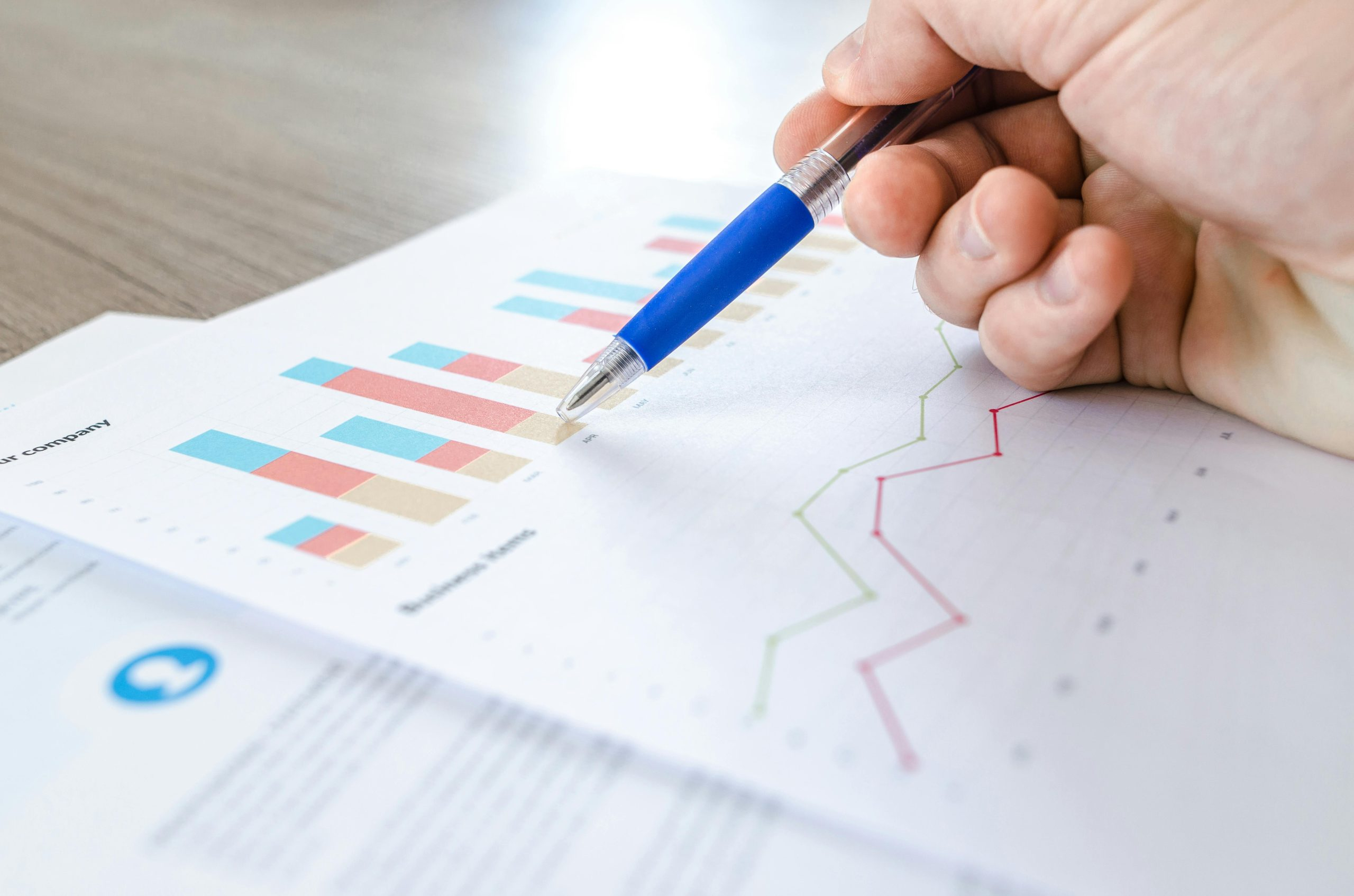
The Importance of Data Analytics in the Housing Market
The housing market is constantly changing and can be unpredictable at times. In order to make informed decisions, buyers and sellers need to have access to accurate and reliable information. This is where data analytics comes in. By gathering and analyzing data, it can provide valuable insights into the current state of the housing market and predict future trends. This not only benefits buyers and sellers, but also real estate agents, investors, and other professionals in the industry.
Gathering Data
Before data can be analyzed, it must first be gathered. The first step in using data analytics for predicting housing markets is to gather relevant data. This can include information such as housing prices, inventory levels, interest rates, employment rates, and demographic data. By collecting this data from various sources, a comprehensive picture of the housing market can be created.
Identifying Patterns and Trends
Once the data is gathered, it can be analyzed to identify patterns and trends. Data analytics uses statistical models and algorithms to analyze the data and identify patterns that may not be noticeable to the human eye. This can provide valuable insights into the current state of the housing market, such as whether it is a buyer’s or seller’s market, and where prices are headed.
Predicting Future Trends
One of the main benefits of data analytics in the housing market is its ability to predict future trends. By analyzing historical data and current market conditions, data analytics can forecast the direction of the market. For example, it can predict if housing prices will continue to rise or if there will be a market downturn. This information can be extremely valuable for buyers and sellers, allowing them to make informed decisions about when to buy or sell a property.
How Data Analytics is Used in the Real Estate Industry
The real estate industry is highly competitive, and agents are constantly looking for ways to gain an edge. Data analytics has become an essential tool for real estate professionals, providing them with valuable insights into the housing market. Some of the ways data analytics is used in the real estate industry include:
Market Analysis
Real estate agents use data analytics to analyze the housing market in their area. By understanding trends and patterns, they can provide their clients with valuable advice on when to buy or sell a property. They can also use this information to identify potential clients who may be looking to buy or sell a property.
Setting Prices
Pricing a property is one of the most important decisions a seller has to make. Data analytics can be used to determine the optimal price for a property based on market conditions, location, and other factors. This ensures that the property is priced competitively and can help attract potential buyers.
Marketing Strategies
Data analytics can also be used to develop effective marketing strategies. By analyzing data on buyer behavior and preferences, real estate agents can tailor their marketing efforts to target the right audience and increase the chances of a successful sale.
Investment Opportunities
Investors in the real estate industry can also benefit from data analytics. By analyzing data on housing prices and market trends, investors can identify profitable opportunities and make informed decisions on where to invest their money.
Challenges of Using Data Analytics in the Housing Market
While data analytics provides valuable insights into the housing market, there are also some challenges that come with using this technology. Some of the challenges include:
Access to Data
While there is a wealth of data available, it can be difficult to access and gather all the relevant data for accurate analysis. Real estate professionals may need to invest in specialized tools and software to gather and analyze data effectively.
Interpreting Data
The interpretation of data is also a challenge. Data analytics can provide a lot of information, but it is important to have the knowledge and expertise to understand and interpret it correctly. This requires training and experience, and not everyone may have access to this.
Data Accuracy
Data analytics relies on accurate and reliable data. In the housing market, data can be affected by several external factors that may not be taken into account, such as political events or natural disasters. This can impact the accuracy of predictions made using data analytics.
Conclusion
Data analytics has become an essential tool for predicting housing markets. By gathering and analyzing data, both buyers and sellers can gain valuable insights into the current state of the housing market and make informed decisions. While there are challenges associated with using data analytics, the benefits far outweigh them. As technology continues to advance, data analytics will play an even bigger role in the real estate industry, shaping the way we buy and sell properties.