The Impact Of Remote Work On Suburban Housing Demand
The COVID-19 pandemic has drastically changed the way we work, with more and more companies adopting remote work policies. This has caused a ripple effect on various aspects of society, including the housing market. While urban areas used to be the prime location for professionals, the rise of remote work has shifted the focus to suburban areas. In this article, we will explore the impact of remote work on suburban housing demand and how it has changed the landscape of the real estate market.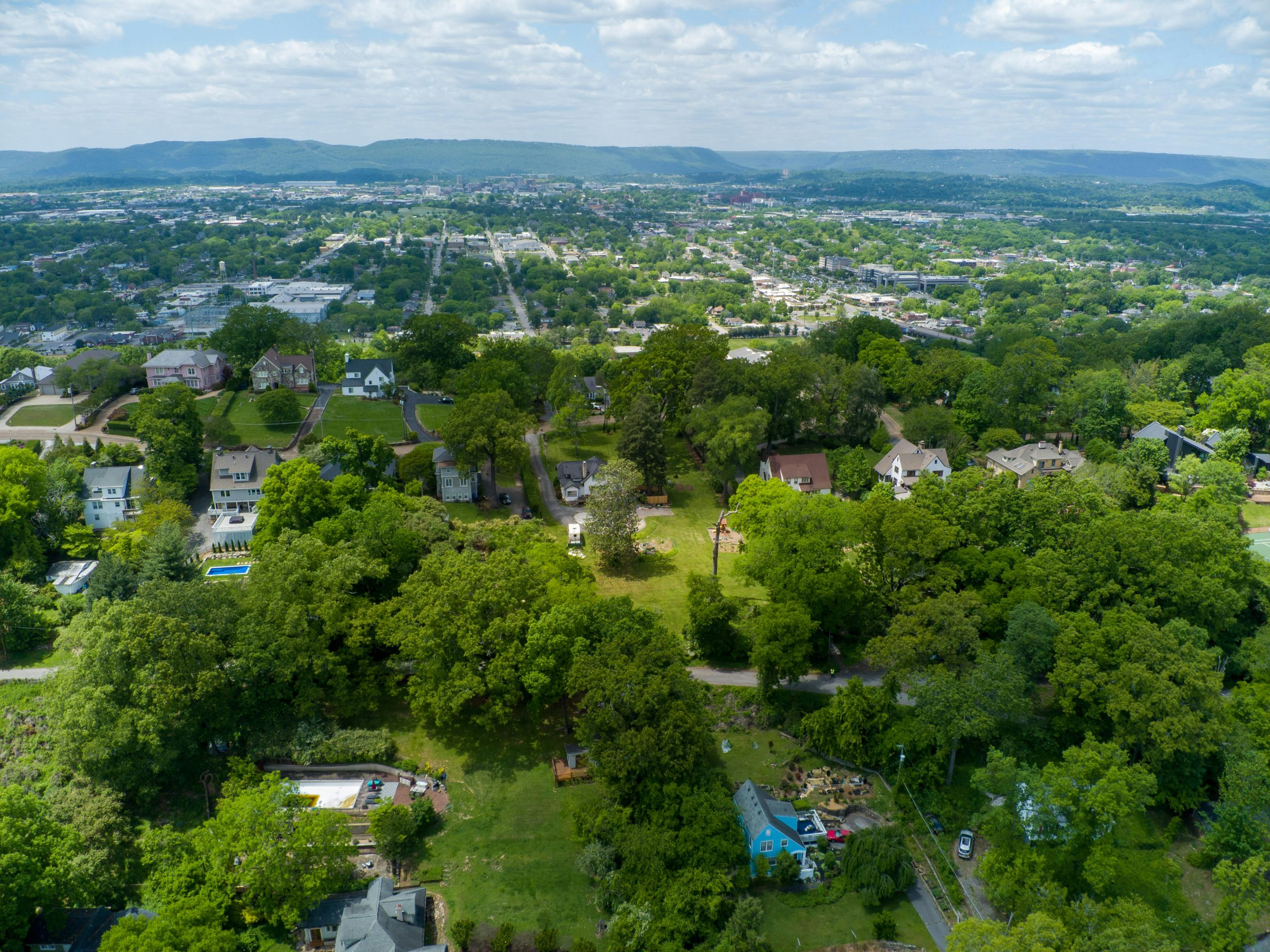
The Rise of Remote Work
Before the pandemic, only a small percentage of the workforce had the opportunity to work from home. However, with the implementation of lockdowns and social distancing measures, many companies had to quickly adapt and switch to a remote work setup. This shift has shown to be successful, with studies showing that remote workers are just as productive, if not more, than their in-office counterparts.
The sudden success of remote work has opened up a world of possibilities for both employers and employees. Companies can now hire from a wider talent pool without the limitations of geographical boundaries, while employees have the flexibility to live and work from anywhere.
The Appeal of Suburban Areas
With the rise of remote work, professionals no longer have to live close to their workplace. This has led to a surge in demand for suburban housing, as people seek a better quality of life with more space, greenery, and lower cost of living.
Suburban areas have always been an attractive option for families, with bigger homes, better schools, and a sense of community. However, with remote work becoming the new norm, these areas are now also appealing to young professionals who have been priced out of urban areas. They can now have the best of both worlds – a peaceful suburban lifestyle while still having access to job opportunities in the city.
The Shift in Housing Demand
As more people choose to work and live in suburban areas, the demand for housing in these areas has significantly increased. This has caused a rise in home prices and a decrease in inventory, making it a seller’s market. According to a study by Zillow, home prices in suburban areas have risen by 2.1% compared to a 0.9% increase in urban areas.
In addition, the pandemic has also made people rethink their housing priorities. With remote work, the need for a home office or a designated workspace has become crucial. This has caused a shift towards larger homes with more space and amenities, further driving up the demand for suburban housing.
The Impact on the Real Estate Market
The impact of remote work on suburban housing demand has been significant in the real estate market. It has created a supply and demand gap, with a limited number of homes available for sale in suburban areas. This has led to bidding wars and buyers having to pay above asking price to secure their desired homes.
Furthermore, sellers in suburban areas have the upper hand in negotiations, as they can afford to wait for the highest offer due to the shortage of inventory. This has caused an increase in home values, benefiting homeowners in these areas.
The Future of Suburban Housing Demand
The rise of remote work is here to stay, even post-pandemic. Many companies have announced permanent work-from-home policies, and more professionals are considering remote work as a viable option. This means that the demand for suburban housing will continue to rise, and the trend of urban professionals moving to suburban areas is likely to continue.
In conclusion, the impact of remote work on suburban housing demand has been significant and will continue to shape the real estate market. With more people choosing to live and work in suburban areas, the demand for housing will remain high, and it is crucial for both buyers and sellers to understand this shift in the market.
Final Thoughts
The COVID-19 pandemic has brought about unexpected changes in our society, and one of them is the impact on suburban housing demand. With remote work becoming the new norm, suburban areas have become a desirable location for professionals, resulting in an increase in home prices and demand. As we continue to navigate through these changes, it is essential to adapt and stay informed about the ever-evolving real estate market.