
How Active Listening Improves Student Teacher Relationships Significantly
As the old saying goes, “communication is key.” This holds especially true in the context of student-teacher relationships, where effective communication plays a crucial role in ensuring a positive and productive learning experience for both parties involved. While traditional forms of communication such as lectures and class discussions are important, one often overlooked aspect of communication is active listening. In this article, we will delve into the benefits of active listening and how it can significantly improve student-teacher relationships.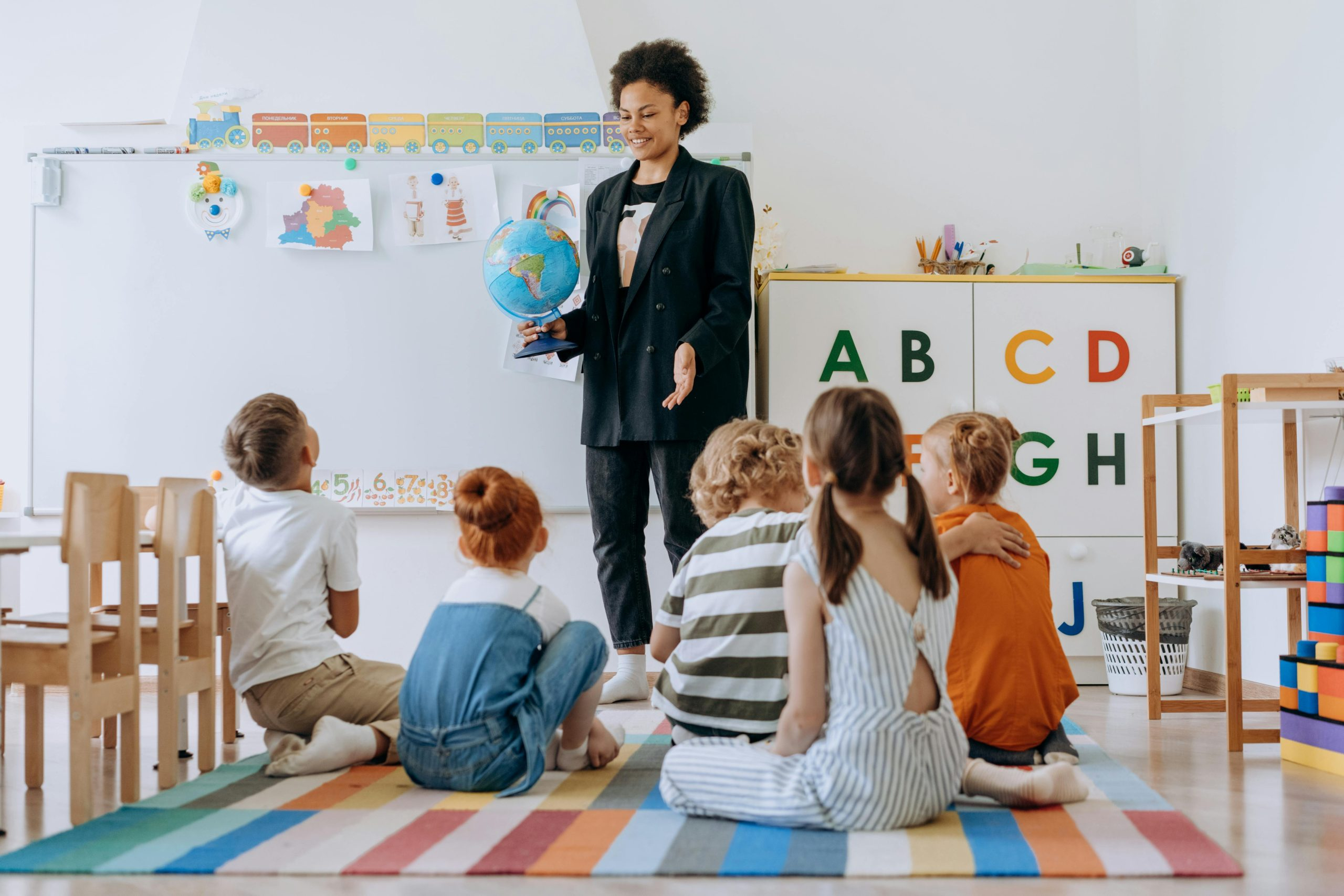
The Importance of Active Listening in Student-Teacher Relationships
What is Active Listening?
Active listening is a communication technique that involves listening attentively and objectively to fully understand what the speaker is saying. It involves giving your undivided attention through making eye contact, providing non-verbal cues such as nodding and smiling, and asking clarifying questions. It requires a genuine interest in understanding the speaker’s perspective without any form of judgment or interruption.
How Active Listening Benefits Student-Teacher Relationships
Effective communication is essential in building and maintaining strong relationships. In the context of student-teacher relationships, active listening can greatly enhance communication and foster a positive learning environment. Here’s how:
1. Deepens Understanding and Promotes Empathy
A teacher who actively listens to their students can better understand their perspective, experiences, and needs. By truly listening, teachers can gain valuable insights into their students’ lives and build a deep sense of empathy. This can lead to a stronger bond and mutual respect between the student and teacher, creating a more conducive learning environment.
2. Encourages Open and Honest Communication
Active listening also helps to create a safe and non-judgmental space for students to voice their thoughts and concerns. When students feel that their teacher is genuinely listening to them, they are more likely to open up and communicate openly and honestly. This can lead to better problem-solving and conflict resolution, ultimately improving the overall dynamics of the student-teacher relationship.
3. Increases Student Engagement and Motivation
When students feel heard and understood, they are more likely to actively participate in class and engage in their own learning. Active listening can make students feel valued and respected, which can significantly boost their motivation to learn and succeed. This, in turn, can lead to improved academic performance and a more positive attitude towards learning.
4. Resolves Misunderstandings and Reduces Tension
In any relationship, miscommunications and misunderstandings are bound to happen. However, by practicing active listening, teachers can quickly identify and address these issues before they escalate. By listening to their students’ concerns and perceptions, teachers can clarify any misunderstandings and resolve conflicts more effectively, leading to a more harmonious and positive relationship with their students.
The Dos and Don’ts of Active Listening
Dos
– Give your full attention to the speaker, maintaining eye contact and non-verbal cues.
– Summarize what you’ve heard to ensure understanding.
– Ask open-ended questions to encourage deeper dialogue.
– Use positive body language and tone of voice.
Don’ts
– Interrupt or finish the speaker’s sentences.
– Make assumptions or jump to conclusions.
– Be distracted or disinterested.
– Judge or criticize the speaker’s thoughts or feelings.
In conclusion, active listening is a powerful tool that can significantly improve student-teacher relationships. By practicing active listening, teachers can deepen understanding, promote empathy, encourage open communication, increase student engagement, and resolve misunderstandings. As teachers, it is crucial to remember that listening is as important as speaking, and by truly listening, we can create meaningful and positive relationships with our students that can greatly enhance their learning experience.