
The Evolution Of Cast Iron Skillet Cooking Through Generations
Cast iron skillet cooking has been a staple in many households for generations. From cooking hearty stews over an open fire to whipping up a quick weeknight dinner on the stovetop, this trusty kitchen essential has evolved and adapted over time. Its rich history and versatility make it more than just a cooking tool, but a cherished heirloom passed down from one generation to the next. Let’s take a look at the evolution of cast iron skillet cooking and how it has stood the test of time.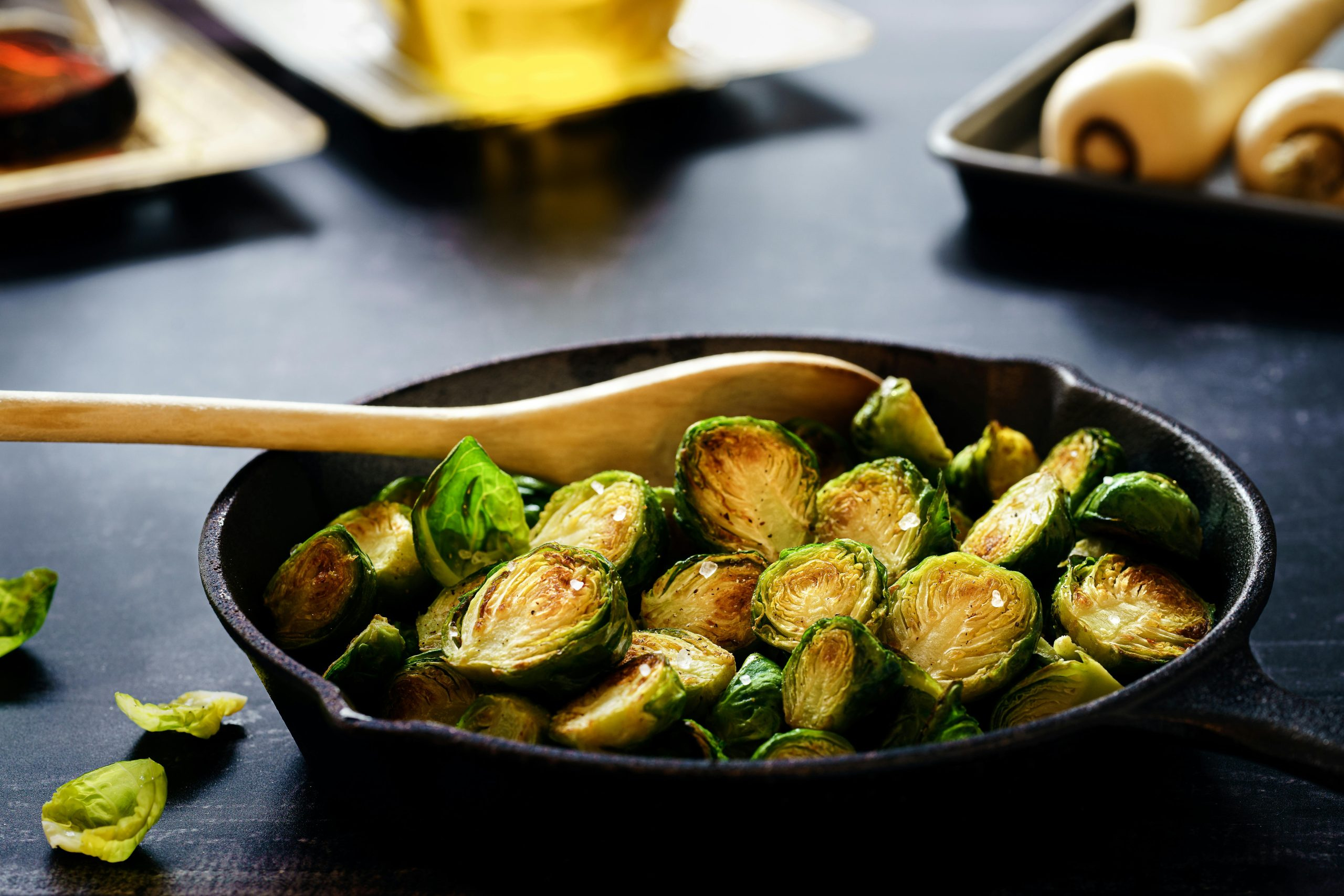
The Early Days
The use of cast iron for cooking can be traced back to ancient China and the Han dynasty. However, it wasn’t until the 1700s that cast iron started to gain popularity in Europe and America. The process of casting iron into various shapes and sizes made it an ideal material for cooking vessels, and the cast iron skillet was born.
Cooking Over an Open Fire
In the early days, cast iron skillets were primarily used for cooking over an open fire or in a hearth. They were often hung from above or placed directly on hot coals, making them a convenient and efficient way to cook food. The thick walls of the skillet allowed for even heat distribution, making it perfect for long hours of slow cooking.
A Versatile Kitchen Essential
As more and more settlers journeyed to the New World, the cast iron skillet became a staple in the kitchen. Because it was sturdy and durable, it was used not only for cooking but also for baking, frying, and even as a makeshift oven. Its versatility cemented its place in the kitchen and made it an essential tool for many households.
The Industrial Revolution
The 1800s marked a significant change in the way cast iron skillets were made. With the rise of the Industrial Revolution, mass production of cast iron cookware became possible. As a result, skillets were no longer handmade, making them more affordable and accessible to the general public.
Smooth and Shiny Surfaces
One of the most notable changes during this time was the improvement in the skillet’s surface. Manufacturers started to polish and grind the inside of the skillet, creating a smooth and almost non-stick surface. This made cooking and cleaning much more manageable, and the skillet became even more popular.
Embellishments and Designs
The increased demand for cast iron skillets also led to the introduction of more elaborate designs and finishes. Skillets were now adorned with intricate patterns and designs, making them not only functional but also aesthetically pleasing. Some collectors even seek out these vintage skillets for their unique markings and designs.
Modern-Day Skillet Cooking
Today, cast iron skillets are still widely used in kitchens all over the world. They have become a symbol of tradition and nostalgia, with many families passing down their beloved skillets from one generation to the next. However, cast iron cooking has also evolved with the times, adapting to modern cooking techniques and trends.
From the Stovetop to the Oven
While cast iron skillets were primarily used on open fires or stovetops in the past, they are now versatile enough to be used in the oven as well. This allows for a wider range of cooking methods, such as baking, roasting, and broiling. The ability to go from stovetop to oven makes the cast iron skillet a go-to choice for many home cooks.
Healthy and Sustainable Cooking
In recent years, there has been a renewed interest in cast iron skillet cooking for its health benefits. Cast iron is a chemical-free option for cooking, making it a preferable choice for those looking to cook with natural materials. It also has the potential to last a lifetime, making it a sustainable and eco-friendly alternative to other types of cookware.
The evolution of cast iron skillet cooking through generations has proven that sometimes, the oldest methods are the best. Its durability, versatility, and rustic charm make it a beloved kitchen essential that will continue to be cherished and passed down for years to come.
So, the next time you cook up a batch of your grandmother’s famous cornbread or fry up your great-great-grandfather’s secret fried chicken recipe, remember the long and ever-evolving history of the trusty cast iron skillet.