The History Of Power Dressing In Corporate Leadership Roles
For decades, corporate leadership roles have often been associated with individuals who exude power and authority. Whether it was through their actions, words, or appearance, these individuals were seen as the face of their companies and were expected to project a strong and confident image. One key aspect of this image was their attire, which came to be known as “power dressing”. In this article, we will delve into the history of power dressing in corporate leadership roles and how it has evolved over time.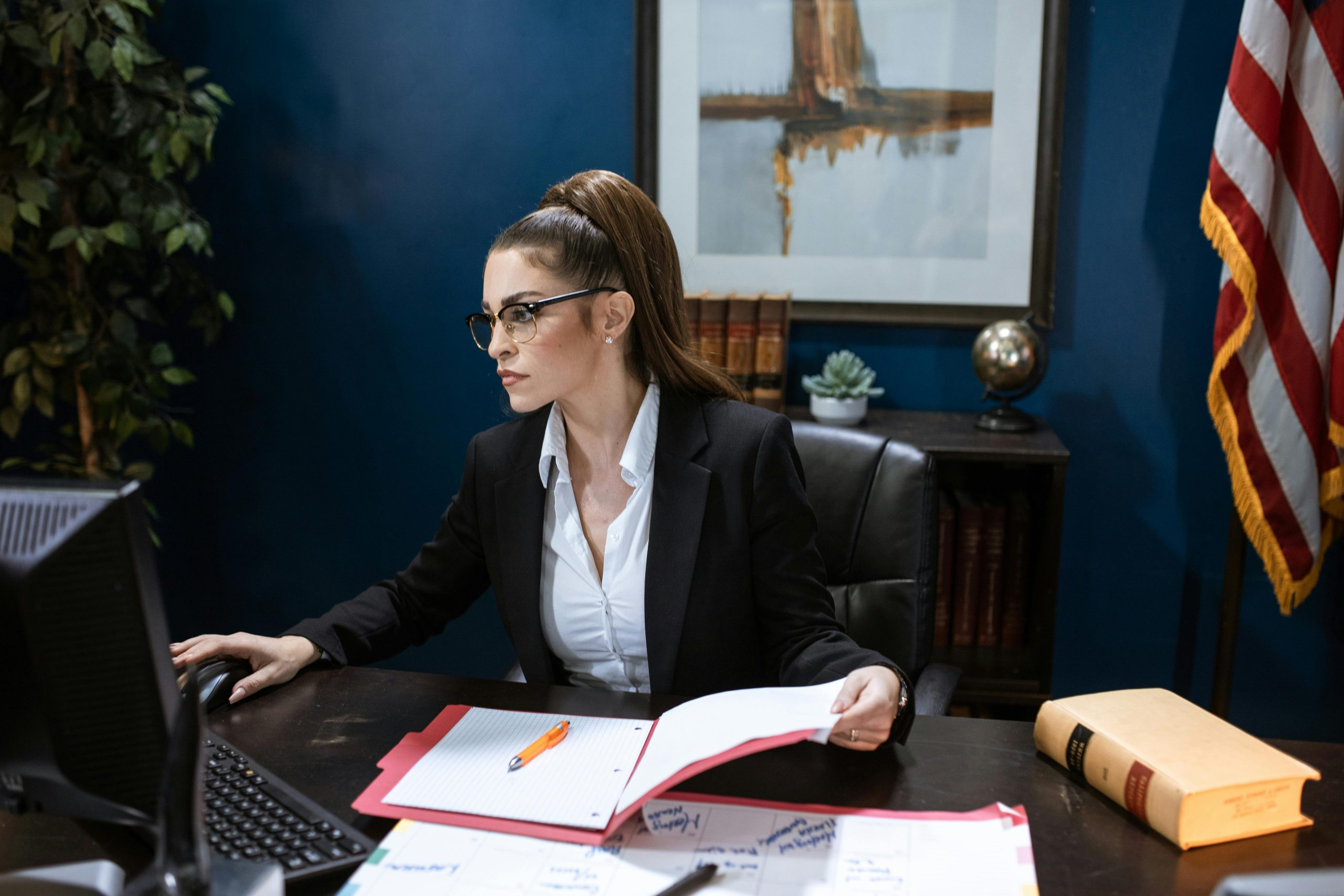
The Origins of Power Dressing
The concept of power dressing can be traced back to the 1970s, when the feminist movement was gaining momentum and women were entering the workforce in large numbers. With this influx of women in the traditionally male-dominated corporate world, there was a need for a wardrobe that would help them blend in and be taken seriously. This is when power dressing began to emerge as a way for women to establish their authority and credibility in the workplace.
The 1980s – The Peak of Power Dressing
The 1980s marked the peak of power dressing in corporate leadership roles. This was the era of the “corporate warrior” – the ambitious, hard-working individual who would stop at nothing to climb the ladder of success. Power suits, with their padded shoulders and broad cuts, were the go-to attire for both men and women. These suits were often made from expensive materials and were tailored to perfection, projecting an image of wealth and success.
In addition to suits, power dressing also involved accessories such as ties, cufflinks, and briefcases. These items were not just functional, but also made a statement about an individual’s status and authority in the corporate world.
The Evolution of Power Dressing in the 1990s and 2000s
As we moved into the 1990s and 2000s, power dressing began to evolve as societal norms and workplace cultures changed. The rise of tech companies and startups challenged the traditional corporate dress code, with more casual and relaxed attire becoming acceptable in the workplace. This shift also saw a rise in the number of women in leadership roles, leading to more diversity in the types of power dressing seen in the corporate world.
In the 2000s, power dressing took on a more individualistic approach, with individuals choosing attire that reflected their personal style and brand. This was also the era of business casual, where employees were allowed to dress more comfortably in the workplace. However, power dressing still held its importance, with individuals opting for well-tailored and fashionable attire to convey their professionalism and authority.
Power Dressing Today
In the modern workplace, there is no set formula for power dressing. With companies promoting diversity and inclusivity, individuals are encouraged to express themselves through their attire. However, power dressing still remains relevant, especially in certain industries such as finance and law, where a certain level of formality is expected.
Today, power dressing is more about creating a balance between dressing for authority and individual style. This could mean a well-tailored suit paired with statement accessories, or a more relaxed yet polished outfit. Ultimately, the key is to dress in a way that makes you feel confident and empowered in your role as a leader.
In Conclusion
The history of power dressing in corporate leadership roles is a testament to the ever-evolving nature of the workplace. From its origins as a way for women to assert their authority in the workplace, to its current form as a means of self-expression and confidence, power dressing has adapted to the changing times. As we move forward, it will be interesting to see how power dressing continues to evolve and redefine what it means to be a leader in the corporate world.