How Visual Merchandising Influences Impulse Buying In Retail Stores
Visual merchandising is a crucial aspect of retail store design and layout. It involves the use of visual techniques such as displays, lighting, and signage to enhance the aesthetic appeal of a store and stimulate the interest of customers. While the primary goal of visual merchandising is to attract and engage customers, it also plays a significant role in influencing their buying behavior. In this article, we will discuss how visual merchandising can trigger impulse buying in retail stores.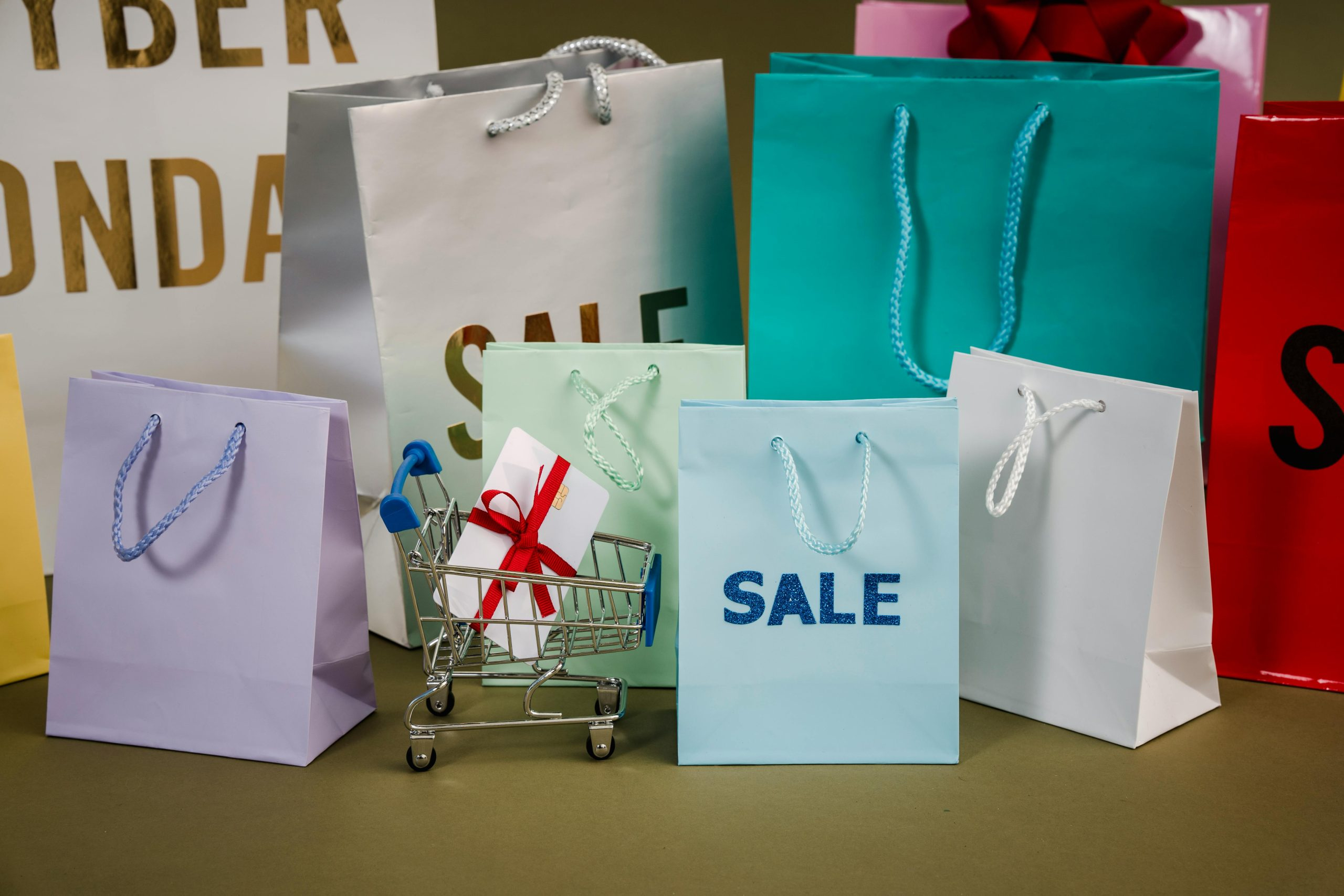
The Science behind Impulse Buying
To understand how visual merchandising influences impulse buying, we must first understand the concept of impulse buying. Impulse buying is an unplanned and spontaneous purchase made by a consumer, triggered by a sudden desire or need for a product. It is a common phenomenon in retail stores and is often associated with emotional and impulsive behavior. Studies have shown that up to 95% of shoppers make impulse purchases, and these purchases account for a significant portion of a store’s revenue.
The Role of Visual Merchandising in Impulse Buying
Visual merchandising significantly impacts a customer’s shopping experience and can encourage them to make unplanned purchases. Here’s how it influences impulse buying in retail stores:
Creating a Sense of Urgency
The use of visually appealing displays and signage can create a sense of urgency and FOMO (fear of missing out) in customers. Limited-time offers, limited stocks, or special discounts displayed through visual merchandising can trigger the fear of missing out on a good deal, compelling customers to make an impulsive purchase.
Stimulating the Need for Instant Gratification
Visual merchandising can also stimulate the need for instant gratification in customers by showcasing product benefits and features. The use of attractive displays and signage can make a product more desirable, creating a sense of urgency, and leading customers to make impulsive purchases to satisfy their immediate desires.
Enhancing the Emotional Appeal of Products
Visual merchandising can also play on customers’ emotions, making them more likely to make impulsive purchases. For example, a display featuring products in a particular color or theme can evoke feelings of nostalgia, excitement, or joy, triggering impulse buying. Similarly, using mannequins to showcase outfits can make customers visualize themselves wearing the product, making it more appealing and increasing the chances of an impulse purchase.
Encouraging Product Discovery
The strategic placement of products can also influence impulse buying. By placing products in high-traffic areas or at the store’s entrance, visual merchandising can grab customers’ attention and encourage product discovery. Customers may not have been looking for the product, but its placement and presentation pique their interest, leading to an impulse purchase.
The Bottom Line
Visual merchandising is a powerful tool that can influence customer behavior and drive sales in retail stores. By creating a sense of urgency, stimulating the need for instant gratification, enhancing emotional appeal, and encouraging product discovery, visual merchandising can trigger impulse buying and boost a store’s revenue. Therefore, mastering the art of visual merchandising is essential for any retail business looking to thrive in today’s competitive market.