Mastering The Techniques Of Japanese Knife Skills For Precision
Japanese knives are prized for their precision and sharpness, making them a must-have tool for any professional chef or cooking enthusiast. The Japanese have been perfecting the art of knife making for centuries, with their techniques being passed down from generation to generation. Mastering the techniques of Japanese knife skills is essential for achieving the ultimate precision and control, elevating your culinary creations to the next level. In this article, we will delve into the world of Japanese knife skills and explore the techniques that will help you achieve precision like a pro.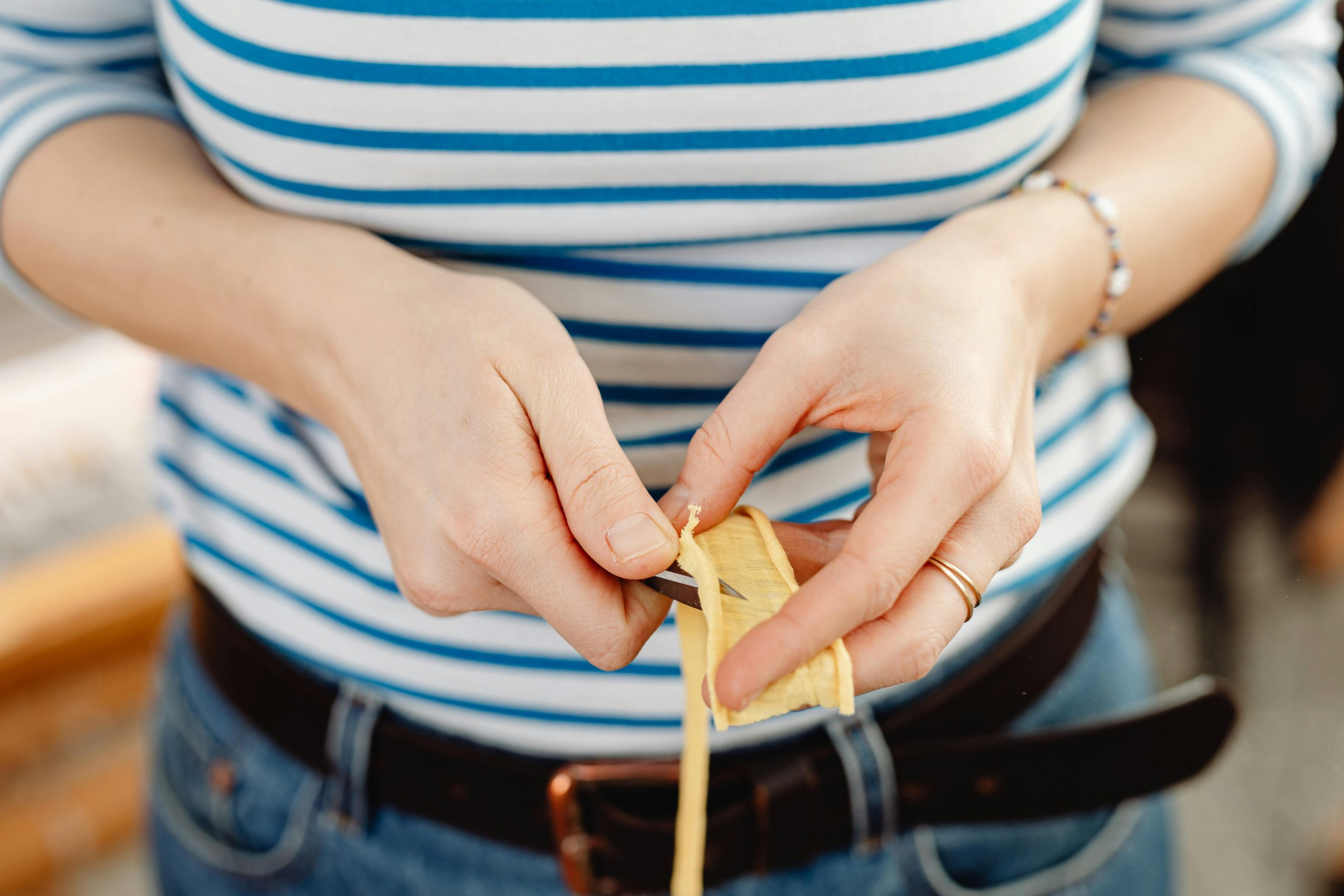
The Art of Japanese Knife Making
Japan is renowned for its craftsmanship and attention to detail, and this is especially true when it comes to knife making. Japanese knives are typically made from high-carbon steel, which is folded and hammered repeatedly to create an incredibly sharp and resilient blade. The art of knife making is considered a sacred craft in Japan, with each knife being hand-crafted with care and precision. These knives are not only functional tools but also works of art that are highly sought after by chefs around the world.
The Different Types of Japanese Knives
There are several types of Japanese knives, each with its own unique shape and purpose. The most commonly used ones are the Gyuto, Santoku, and Deba knives. The Gyuto knife is the Japanese equivalent of a chef’s knife, with a long and narrow blade that is perfect for slicing and dicing. The Santoku knife is similar to the Gyuto but with a shorter and wider blade, making it ideal for chopping and mincing. The Deba knife, on the other hand, has a thick and heavy blade that is perfect for cutting through tough and dense ingredients like thick-skinned fish or meat bones.
The Importance of Proper Knife Technique
Mastering Japanese knife skills is not only about owning the right knives but also about using them correctly. The proper knife technique is crucial for achieving precision and control while also ensuring the safety of the user. A common mistake when using Japanese knives is to hold them with a tight grip, which can cause strain on the hand and wrist. Instead, it is important to hold the handle gently, allowing the knife to do the work as you guide it through the ingredients with a smooth and fluid motion.
The Pinch Grip
One technique that is widely used by Japanese chefs is the pinch grip, which involves holding the knife between the thumb and index finger at the base of the blade, with the remaining fingers wrapped around the handle. This grip provides maximum control and allows for precise cuts, making it ideal for intricate tasks like julienning or brunoise.
The Rolling Chop
Another common technique used in Japanese knife skills is the rolling chop, where the knife is moved in a rocking motion while cutting through the ingredients. This method is great for cutting through larger and tougher ingredients, as it allows the knife to slice through with ease.
Practicing for Perfection
As with any skill, practice makes perfect when it comes to mastering Japanese knife techniques. It is important to start with simple tasks and gradually work your way up to more advanced techniques. Begin by practicing your knife grip, making sure to hold the knife gently and maintain a steady and relaxed hand. Then, move on to basic cutting techniques like slicing and dicing, focusing on controlling the knife’s movement and maintaining a consistent thickness in your cuts.
Honing and Sharpening
To maintain the precision and sharpness of your Japanese knives, it is essential to regularly hone and sharpen them. Honing, which involves using a honing rod, helps to realign the blade’s edge, keeping it sharp and in top condition. Sharpening, on the other hand, involves using a whetstone to grind away any dullness and bring back the blade’s sharpness. It is recommended to hone your knives before and after each use and sharpen them every few months or as needed.
Conclusion
Mastering the techniques of Japanese knife skills for precision is an art that takes time and practice to perfect. With the right knives, proper technique, and regular maintenance, you can elevate your culinary skills to a whole new level. So why not give it a try and discover the world of Japanese knife skills for yourself? Your kitchen creations will thank you for it.