
The Future Of Unions In The Modern Digital Workplace
In today’s digital age, the modern workplace is constantly evolving to keep up with new technology and changing employee needs. With the rise of digital communication and remote work, the traditional unions that once dominated the workforce are facing new challenges. As we look towards the future, it is important to examine the role of unions in the modern digital workplace and how they will adapt to the changing landscape.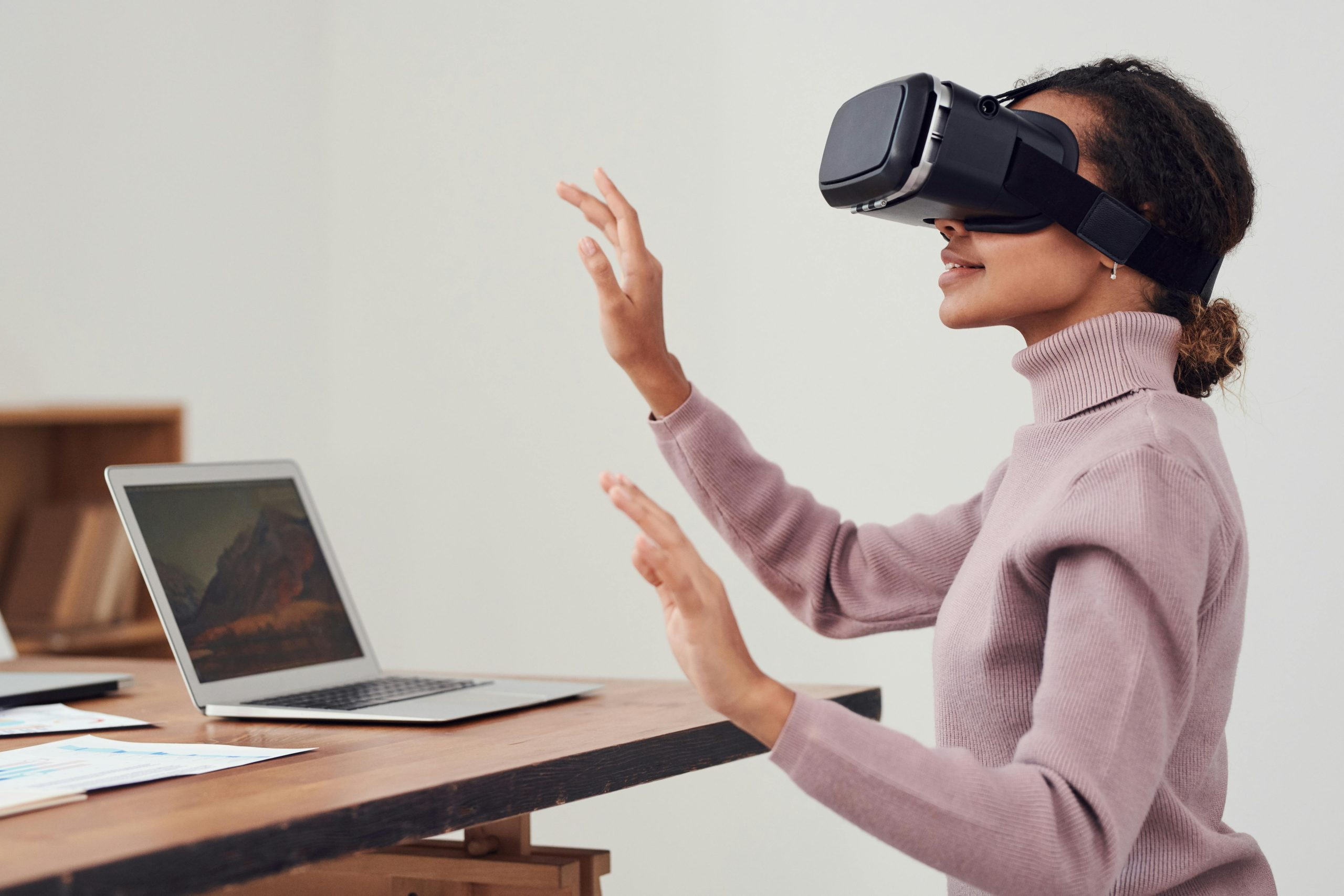
The Impact of Technology on Unions
Technology has undoubtedly played a significant role in the decline of unions in recent years. With the rise of automation and artificial intelligence, many industries have seen a reduction in jobs and a shift towards a more digital workforce. This has led to a decrease in the number of unionized workers and a weakened bargaining power for those who remain.
Additionally, the use of digital communication and social media has made it easier for employees to connect and organize without the need for traditional union structures. This has created a more decentralized form of collective bargaining, giving individual workers more control over their own rights and needs.
The Rise of Freelance and Gig Work
In recent years, there has also been a significant increase in the number of freelance and gig workers. These individuals do not fall under the traditional employee-employer relationship and therefore do not have the same protections and benefits as unionized workers. With the gig economy expected to continue growing, unions will have to find ways to adapt and support these workers.
One potential solution is the formation of freelancer unions, which would provide representation and support for independent workers in negotiations with companies. However, this poses a challenge as freelancers often work for multiple clients and may not have the time or resources to engage in traditional union activities.
Adapting to a Digital Workforce
Despite the challenges posed by technology and the changing workforce, unions still have an important role to play in protecting workers’ rights and ensuring fair treatment in the digital workplace. In order to remain relevant, unions will need to adapt to the new digital landscape and find new ways to engage with and support their members.
This could include utilizing online platforms and digital tools to better communicate with members and gather feedback on workplace issues. Unions may also need to expand their focus beyond traditional labor issues and address new challenges such as data privacy and work-life balance in a digital environment.
The Importance of Collaborating with Employers
In the modern digital workplace, there is a growing trend towards collaboration between employers and employees to find mutually beneficial solutions. Unions will need to embrace this collaborative approach in order to stay relevant and effectively represent their members.
By working closely with employers, unions can negotiate innovative solutions that address the needs of both parties. This can include flexible working arrangements, upskilling opportunities, and improved health and benefits packages.
The Bottom Line
The future of unions in the modern digital workplace may seem uncertain, but their role in protecting workers’ rights and ensuring fair treatment remains crucial. In order to thrive, unions must adapt to the changing landscape and find new ways to engage with their members and collaborate with employers.
While technology has posed challenges for unions, it also presents opportunities for them to better connect with their members and address new workplace issues. With a proactive approach and willingness to evolve, unions can continue to play a vital role in the future of work.