
The Role Of Play In Developing Complex Problem Solving
Play is often thought of as a way for children to simply have fun and pass the time. However, recent research has shown that play serves a much greater purpose in the cognitive development of children. In particular, play has been found to play a significant role in developing complex problem solving skills. This is becoming increasingly important in today’s fast-paced and ever-changing world, where the ability to think critically and solve complex problems is highly valued. In this article, we will explore the significant role that play has on the development of complex problem solving skills.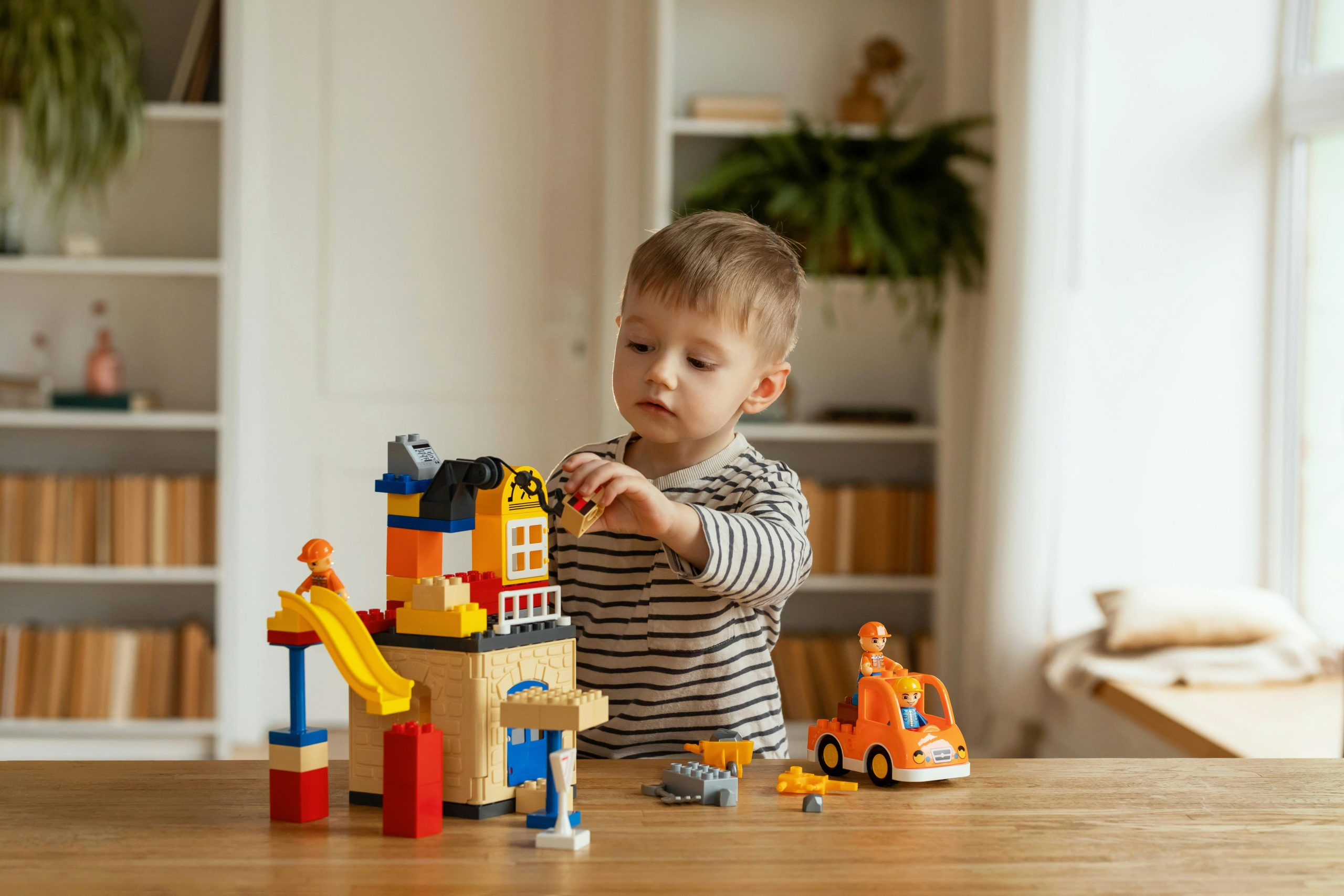
The Importance of Play
Play is an essential aspect of childhood. It allows children to explore their surroundings, learn about the world, and interact with others. It is often seen as a break from formal learning and is not given the same level of importance. However, play is not just a form of entertainment, but rather a vital tool in a child’s development. It promotes creativity, imagination, and problem-solving skills, which are fundamental in developing complex problem-solving abilities.
Types of Play
Before we delve into the role of play in developing complex problem solving, it is essential to understand the different types of play. These include physical play, constructive play, make-believe play, and games with rules. Each type of play serves a specific purpose in a child’s development and contributes to the overall growth of their cognitive abilities. For example, physical play helps with motor skills, while make-believe play allows children to explore different roles and scenarios.
The Link Between Play and Problem Solving
Problem solving is the ability to identify and evaluate different solutions to a given problem and choose the most effective one. This skill requires critical thinking, creativity, and the ability to see things from different perspectives. Play provides children with the opportunity to develop all of these skills in a natural and enjoyable way. Through play, children learn how to approach a task or a problem, think creatively, and test their ideas. This instills in them the confidence to take on challenges and develop novel solutions to complex problems.
Problem Solving Through Play
Play-based learning has been proven to be an effective way for children to develop problem-solving skills. For example, through constructive play, children learn how to manipulate materials, utilize problem-solving strategies, and assess cause and effect. They may experiment with different structures and materials to see what works best, which promotes critical thinking and problem-solving abilities.
In make-believe play, children use their imagination to create scenarios and solve problems within those scenarios. This encourages children to think creatively, step into different roles, and imagine different outcomes. They also learn how to communicate and collaborate with others, another essential aspect of complex problem solving.
The Importance of Encouraging Play
In today’s society, there is a growing emphasis on academic achievement and structured learning. This has led to a decline in play-based activities for children. However, play is crucial for developing problem-solving skills, which are essential for success in all aspects of life. As children grow into adults, they will face numerous complex problems and challenges. Having developed strong problem-solving skills through play, they will be better equipped to tackle these challenges with confidence and creativity.
How to Encourage Play in Children
There are many ways to encourage play in children, and it does not have to be structured or formal. Simple activities like building with blocks, drawing, and make-believe games are all examples of play that promote problem-solving abilities. It is also essential to provide children with an environment that allows for safe exploration and encourages creativity. Adults can also play a crucial role in stimulating play by engaging in activities with their children and asking open-ended questions that promote critical thinking.
In conclusion, play plays a significant role in the development of complex problem-solving skills in children. It fosters creativity, imagination, and critical thinking, all of which are essential for solving complex problems. As parents and educators, it is crucial to encourage and promote play in children, as it will help them not only in childhood but also in their adult lives.