
Exploring The Intersection Of Architecture And Structured Garment Design
When it comes to design, we often think of it as being confined to specific mediums such as fashion or architecture. However, there is an area where these two seemingly different worlds overlap and merge together – the intersection of architecture and structured garment design. This unique blend has been gaining attention in recent years, showcasing the innovative ways in which the two disciplines can complement and enhance each other. In this article, we will explore this intersection and how it is shaping the future of design.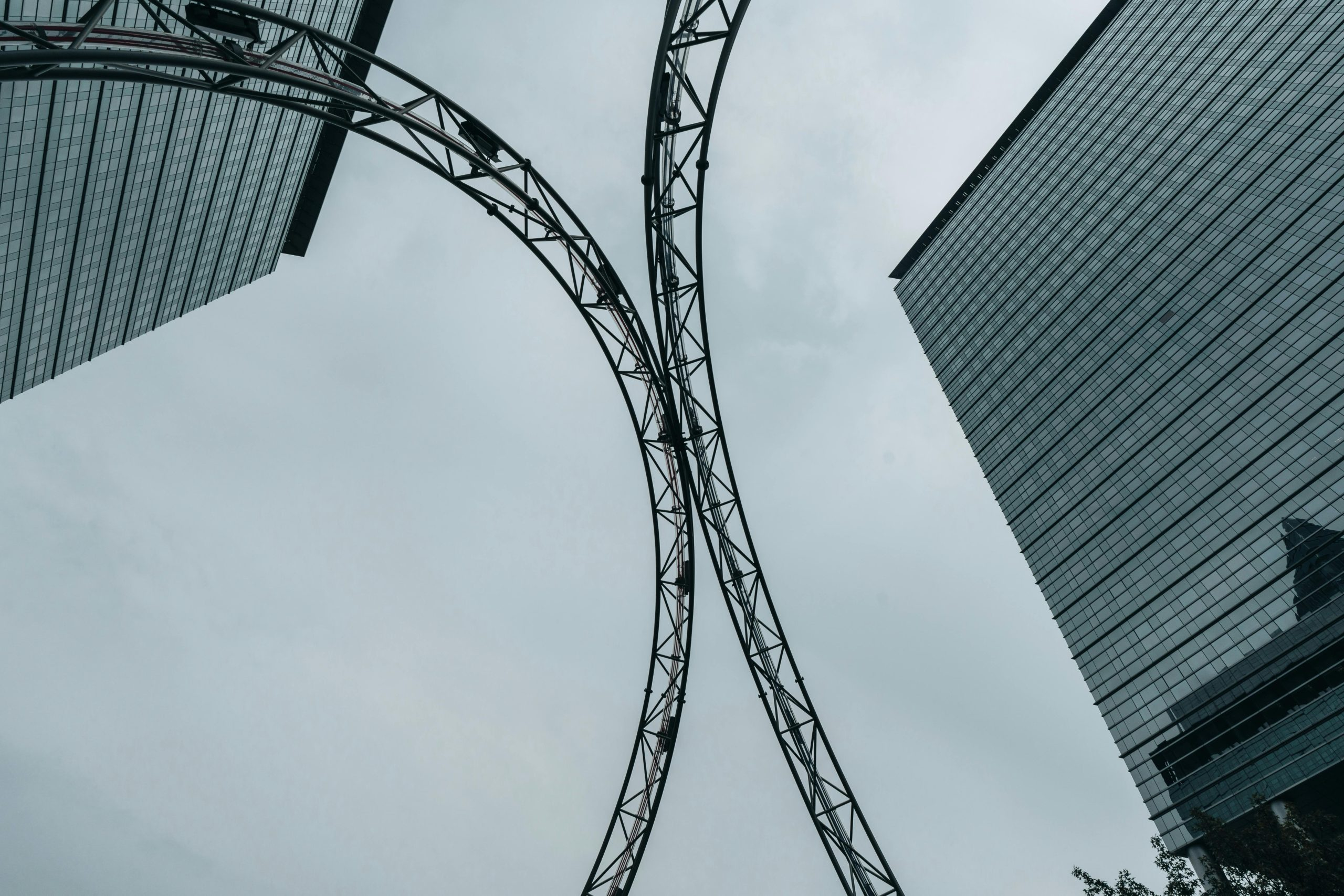
The Basics of Architecture and Structured Garment Design
Before delving into their intersection, it is important to understand the fundamentals of architecture and structured garment design. Architecture is the practice of designing and constructing buildings and structures. It focuses on functional, aesthetic, and symbolic elements to create spaces that meet the needs of its inhabitants.
On the other hand, structured garment design involves creating clothing with specific shapes and silhouettes, often using techniques such as draping, folding, and pleating. This results in garments that have a defined and sculptural appearance.
The Intersection: Where Fashion Meets Architecture
At first glance, fashion and architecture may seem unrelated. However, upon closer inspection, we can see that they share many similarities. Both require a keen eye for detail, precise planning, and a deep understanding of form and structure. When these elements come together, the result is a stunning display of functional art.
One of the most obvious ways in which fashion and architecture cross paths is through materials. As buildings are built with different materials such as concrete, steel, and glass, fashion designers also use a wide range of fabrics and materials to create their garments. In both cases, the choice of material plays a crucial role in achieving the desired aesthetic and functionality.
Inspiration and Expression
Architecture and structured garment design also draw inspiration from each other. Architects often use elements found in fashion, such as pleats and folds, to add texture and dimension to their designs. On the other hand, fashion designers look to buildings for inspiration, utilizing architectural elements such as structural shapes and geometric patterns in their collections.
This intersection also allows for a unique form of expression. Through fashion, architects can showcase their creativity and bring their designs to a more tangible level. In turn, fashion designers can use structured garments to convey their own message and vision through a different medium. The result is a beautiful collaboration that blends the lines between two distinct forms of art.
The Impact on Design
The intersection of architecture and structured garment design has had a significant impact on the design world. It has opened up new possibilities and expanded the boundaries of both disciplines. This collaboration has given rise to innovative and daring designs that push the limits of what was once thought possible.
Furthermore, it has also brought attention to the importance of sustainability in both architecture and fashion. With the world facing environmental challenges, these two industries have joined forces to find ways to create designs that are not only aesthetically pleasing but also eco-friendly.
The Future of Design
As the intersection of architecture and structured garment design continues to evolve, it is clear that the future of design is bright. This fusion of disciplines encourages creativity, sustainability, and expression, paving the way for groundbreaking designs that are both functional and visually striking.
In conclusion, the intersection of architecture and structured garment design is a perfect example of how two seemingly different fields can come together to create something truly unique. These disciplines may have distinct differences, but when they merge, they open up a world of possibilities and push design to new heights. In the coming years, we can expect to see even more extraordinary and innovative designs born from this intersection, truly showcasing the endless potential when fashion meets architecture.