The Impact Of Transportation Infrastructure On Housing Price Growth
As people search for affordable housing options, the cost of transportation is often overlooked. But the truth is, transportation infrastructure has a huge impact on housing price growth. The availability and quality of transportation options can significantly affect the value of a property. This article will explore how transportation infrastructure influences housing price growth and how it affects both buyers and sellers in the real estate market.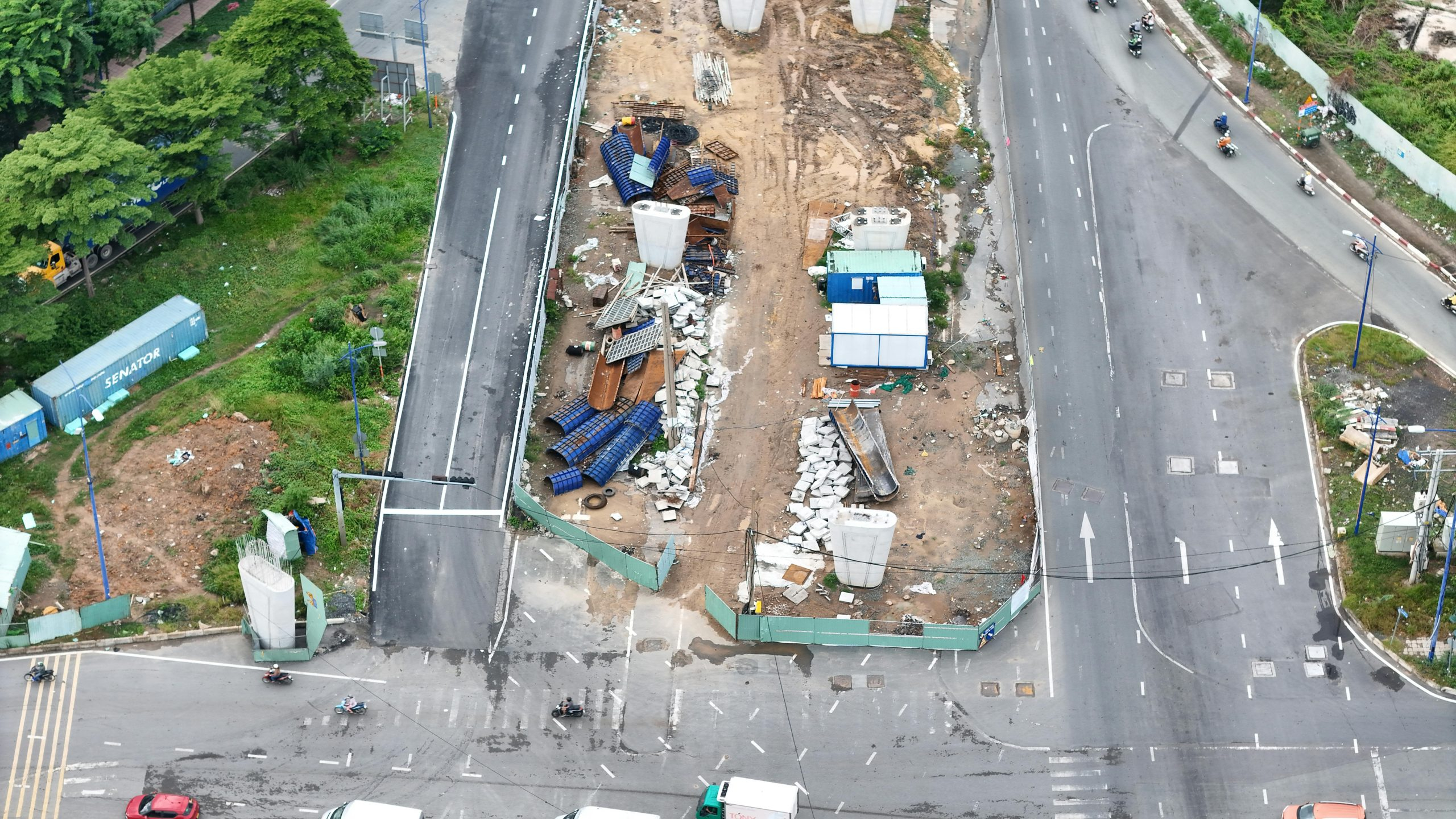
Types of Transportation Infrastructure
Transportation infrastructure refers to the systems and facilities that support transportation, including roads, highways, public transit, bridges, and airports. These infrastructures play a critical role in connecting people and goods, driving economic growth, and shaping the development of cities and neighborhoods.
Roads and Highways
Roads and highways are the most common forms of transportation infrastructure. They provide access to different areas and facilitate the movement of people and goods. The quality and connectivity of roads and highways are key factors in determining the value of a property. Houses located near well-maintained roads and highways are more desirable and often come with a higher price tag.
On the other hand, properties located in areas with poor road conditions or limited access to main roads may see a decrease in value. This is because of the inconvenience and increased travel time for residents, which can make the location less attractive for potential buyers.
Public Transit
Public transit, such as buses, trains, and subways, is an essential component of transportation infrastructure in cities. Areas that have efficient and accessible public transportation systems are highly attractive to home buyers, especially for those who commute to work. Not only does public transit reduce the cost of transportation for residents, but it also increases the value of nearby properties. A study by the American Public Transportation Association found that properties located within half a mile of public transportation stations had an average increase in value of 41.6% between 2012 and 2017.
The Impact on Housing Price Growth
The availability and quality of transportation infrastructure can have a significant impact on housing price growth. It directly affects the cost of living in a particular area, making it an important consideration for both buyers and sellers in the real estate market.
Properties located in neighborhoods with good transportation infrastructure tend to have a higher demand, which translates into higher prices. This is because people are willing to pay more for the convenience and accessibility provided by efficient transportation options. On the other hand, neighborhoods with poor or limited transportation infrastructure may see a decline in housing prices, as they become less desirable for potential buyers.
The impact of transportation infrastructure on housing price growth is also influenced by the type of property. For example, properties located near airports or public transit stations may see a higher increase in value, while those located near highways may see a slight decrease due to noise and pollution concerns.
The Importance of Sustainable Transportation Infrastructure
In recent years, there has been a growing focus on sustainable transportation infrastructure. This includes initiatives to reduce carbon emissions and promote alternative forms of transportation, such as biking and walking paths. These efforts not only benefit the environment, but they also contribute to the livability and desirability of a neighborhood.
Moreover, sustainable transportation infrastructure can have a positive impact on housing price growth. Properties located in areas with eco-friendly transportation options can see an increase in value due to the growing demand for sustainable living.
In Conclusion
The impact of transportation infrastructure on housing price growth cannot be ignored. The availability and quality of roads, public transit, and other forms of transportation significantly influence the value of a property. As cities and communities continue to grow, it is crucial to prioritize and invest in sustainable transportation infrastructure to not only drive economic growth but also to create more livable and desirable neighborhoods for current and future residents.