
How To Transition To A Plastic Free Lifestyle Easily
In today’s society, plastic has become an integral part of our everyday lives. From the packaging of our food and drinks to the items we use on a daily basis, plastic is everywhere. However, the negative impact of plastic on the environment cannot be overlooked. It is estimated that by 2050, there will be more plastic in the ocean than fish. This alarming statistic has led many individuals to make a conscious effort to live a plastic-free lifestyle. If you’re looking to make the switch to a plastic-free lifestyle, but are unsure of where to start, you’ve come to the right place. In this article, we’ll discuss some practical and easy steps on how to transition to a plastic-free lifestyle.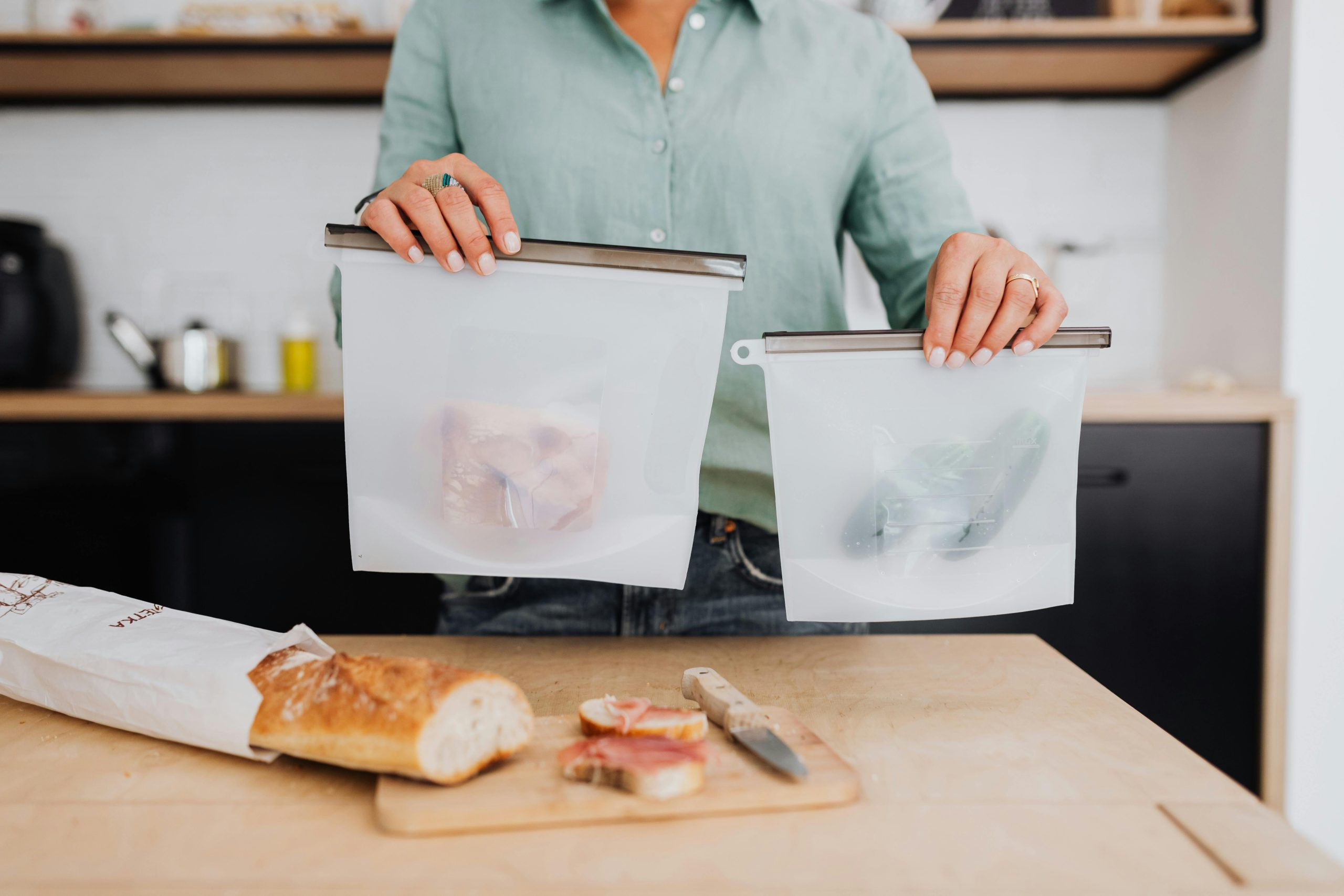
Evaluate Your Current Plastic Consumption
The first step in transitioning to a plastic-free lifestyle is to assess your current plastic consumption. This will give you an idea of the areas where you need to make changes. Take a look at the items you regularly use and identify the ones that are made of plastic. These could include water bottles, grocery bags, food packaging, and personal care products. It’s also important to keep track of your plastic waste. This will help you understand the impact you have on the environment and motivate you to make a change.
Make Small Changes
Transitioning to a plastic-free lifestyle can feel overwhelming, but making small changes can have a big impact. Start by replacing single-use plastic items with reusable alternatives. Invest in a reusable water bottle, coffee cup, and utensils that you can carry with you wherever you go. Bring your own reusable bags when you go grocery shopping. Over time, these small changes will become second nature and you’ll be reducing your plastic consumption significantly.
Shop Smart
One of the biggest sources of plastic waste is packaging. When shopping, opt for products that are not heavily packaged in plastic. Instead, choose items that are packaged in paper, glass, or cardboard. Buying in bulk is also a great way to reduce packaging waste. Additionally, try to shop at local markets or stores that offer plastic-free alternatives. This way, you can support sustainable businesses and avoid contributing to the plastic problem.
Choose Natural Alternatives
Plastic is not only harmful to the environment, but it can also be detrimental to our health. Many plastic items, such as food containers and water bottles, contain chemicals that can leach into our food and drinks. Instead, opt for natural alternatives such as glass, bamboo, and stainless steel. These materials are not only safer for our health, but they are also more sustainable and durable.
Make Your Own Products
Many household and personal care products come packaged in plastic. Instead of buying these products, why not make your own? There are plenty of recipes available online for items such as cleaning products, skincare products, and even toothpaste. Making your own products not only reduces your plastic consumption but it also allows you to control the ingredients and avoid harmful chemicals.
Spread Awareness
Transitioning to a plastic-free lifestyle is not just about making changes in your own life, but also about spreading awareness and inspiring others to do the same. Share your experiences and tips with your friends and family. Educate them on the negative impact of plastic on the environment. You can also join or support local organizations that are working towards reducing plastic pollution. Remember, every action, no matter how small, makes a difference.
Final Thoughts
In conclusion, transitioning to a plastic-free lifestyle may seem like a daunting task, but it is achievable with small changes and conscious effort. Remember to evaluate your plastic consumption, make small changes, shop smart, choose natural alternatives, and spread awareness. It may not be easy, but it is a step towards a better and more sustainable future for our planet. Let’s all do our part in reducing plastic pollution for the sake of our environment and future generations.