
Why Analog Mixing Consoles Are Still Highly Coveted Today
Music production has come a long way since its inception. From the days of using large tape machines to record every track, to the onset of digital audio workstations, the evolution of music technology has been inevitable. However, there is one tool that has stood the test of time and continues to be highly coveted in the music industry – analog mixing consoles. Despite advancements in technology, why are analog mixing consoles still widely used and highly sought after? In this article, we take a closer look at the enduring appeal of analog mixing consoles and why they continue to hold a special place in the hearts of music producers and engineers.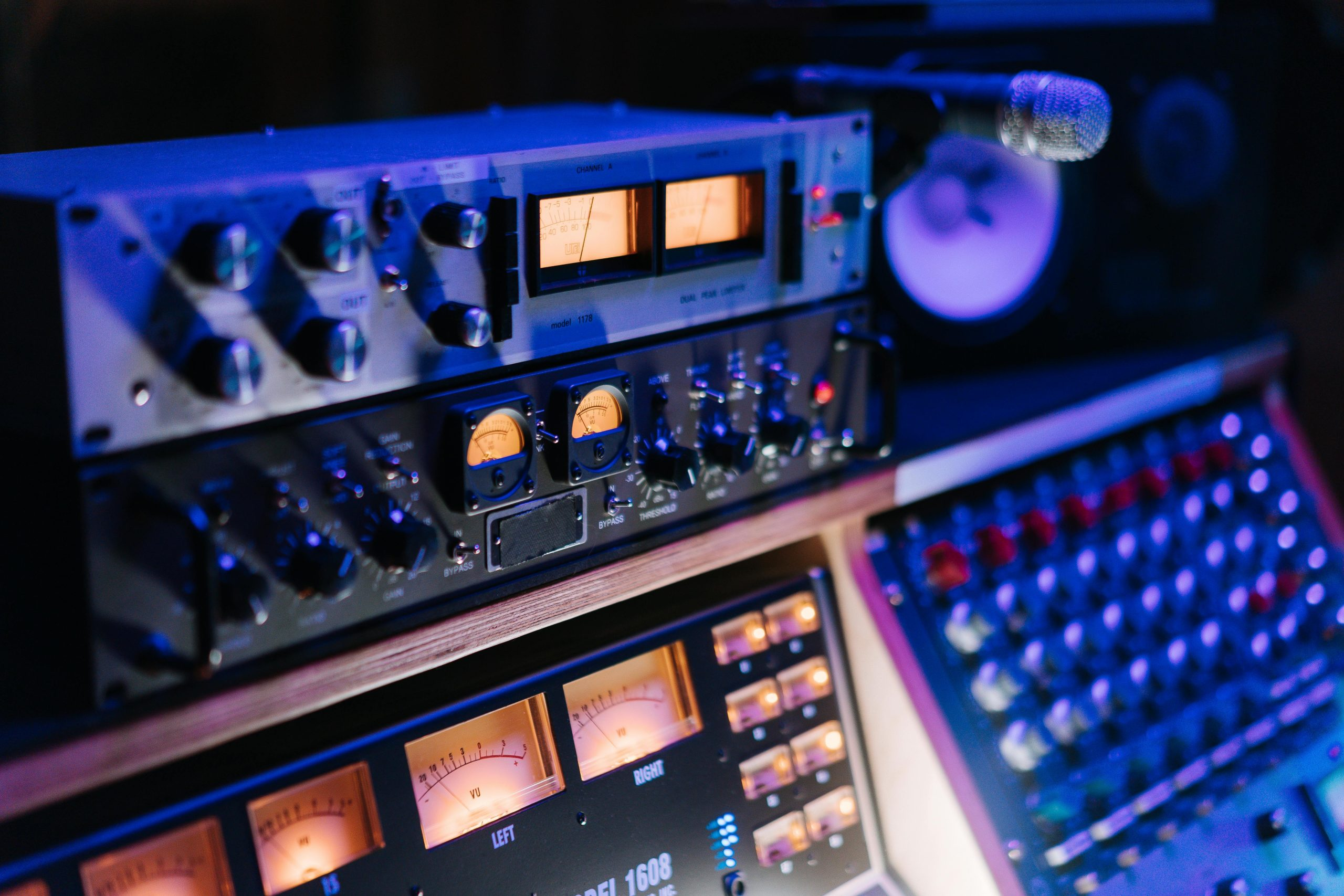
The Warmth of Analog Sound
One of the primary reasons why analog mixing consoles have remained popular is because of the warmth and depth of sound they produce. Unlike digital consoles, which use binary code to process and manipulate sound, analog consoles use actual circuitry to process signals. This results in a richer and warmer sound that many music professionals prefer over the sterile sound produced by digital consoles.
Easier to Work with
Despite advancements in digital audio workstations, many music producers still favor the traditional approach of working with physical knobs and faders. Analog mixing consoles provide a hands-on mixing experience that allows producers to feel and connect with the music they are creating. This tactile experience helps in bringing out the creative element and adds a personal touch to the production process.
Time-Tested Reliability
Analog mixing consoles have been used in music production for decades and have proven to be reliable and durable. Unlike digital consoles, which can be prone to glitches and crashes, analog consoles have a straightforward signal flow that makes troubleshooting and repairing them simpler. This makes them a more reliable option for live performances and recording sessions where any technical issues could result in costly delays.
Unique Character and Versatility
Each analog mixing console has its own unique character, depending on the manufacturer, circuitry, and components used. This makes them highly coveted by producers who are looking for a specific sound and aesthetic. Some analog consoles also offer a range of routing and routing options, making them versatile enough to handle a wide variety of mixing scenarios.
The Human Element
Perhaps one of the most significant advantages of working with analog mixing consoles is the human element they bring to the production process. Unlike digital consoles, which can sometimes feel too technical and sterile, analog consoles allow producers to add a personal touch to their work. The subtle variations and imperfections in sound produced by analog consoles add a human touch that cannot be replicated by digital technology.
A Nostalgic Connection
For many music professionals, the use of analog mixing consoles brings back fond memories of the early days of their career. In an age where technology is rapidly evolving, there is a certain comfort and nostalgia associated with using analog equipment. This sense of connection and familiarity with analog consoles is a contributing factor to their enduring popularity in the music industry.
Despite the wide range of digital mixing options available today, the popularity and appeal of analog mixing consoles continue to endure. From the warm sound they produce to the tactile mixing experience they offer, there are plenty of reasons why analog mixing consoles are still highly coveted today. As technology continues to advance, it’s safe to say that analog mixing consoles will always have a place in the world of music production.