
Why Historic Preservation Adds Unique Value To Urban Properties
Urban properties hold a certain charm that often sets them apart from the rest of the city landscape. Their unique features, character, and history give them a distinct charm that many people find alluring. But amidst the ever-growing urbanization and modernization of cities, many of these properties face the risk of demolition or neglect. In recent years, however, there has been a growing movement towards historic preservation, emphasizing the value these properties bring to the urban landscape. In this article, we will delve into why historic preservation adds unique value to urban properties and why it is crucial to preserve them for future generations.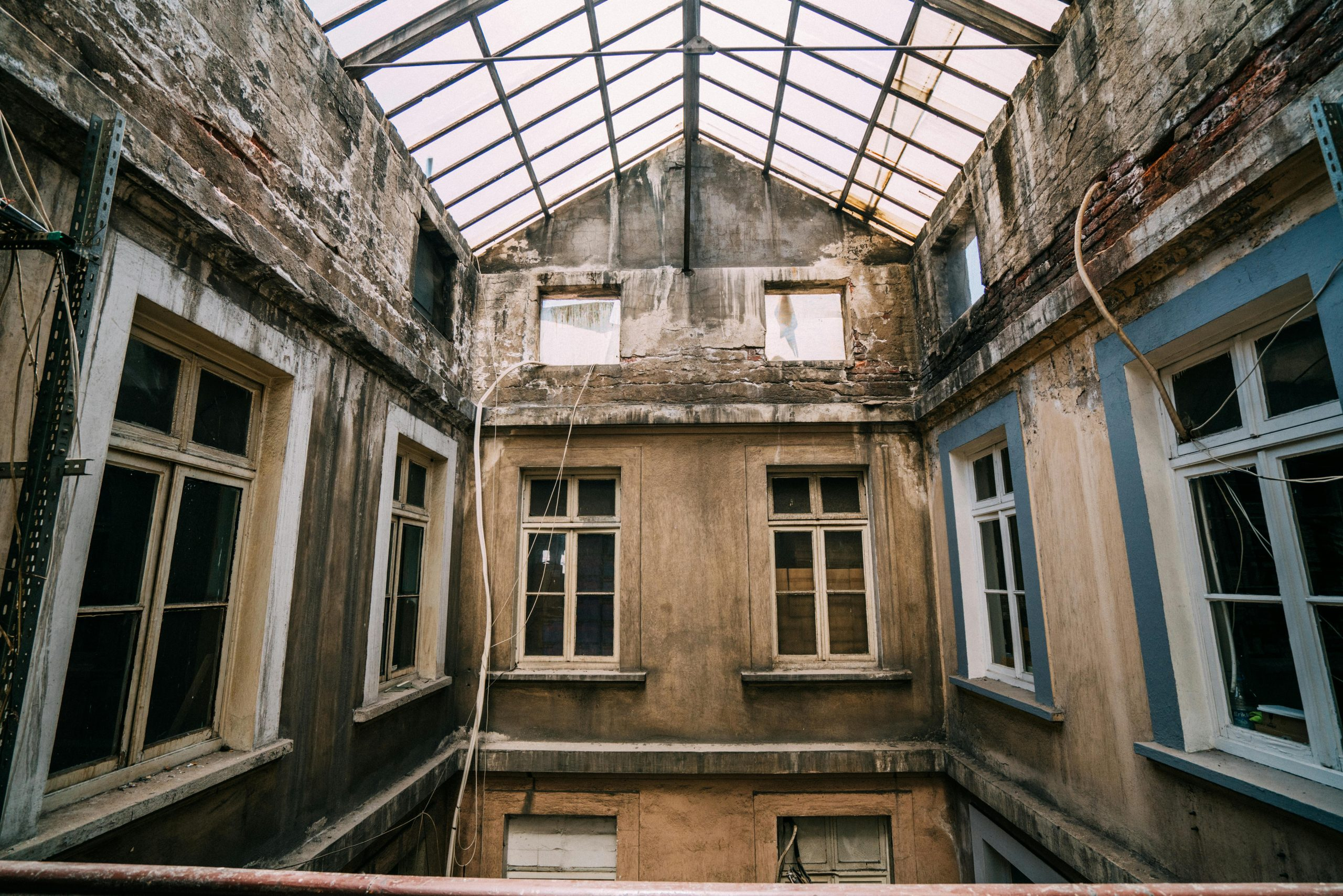
The Value of History
History shapes our present and our future. Preserving historic buildings in urban areas allows us to maintain a connection to our past and truly understand our roots. These properties often have a story to tell, one that reveals the challenges and triumphs of our ancestors. When we preserve these buildings, we also preserve the stories that come with them, creating a sense of continuity and a better understanding of our identity as a community.
Moreover, historic buildings often have unique architectural features and designs that are not seen in modern properties. These architectural gems serve as a reminder of our past styles and inspire current and future generations to value and appreciate craftsmanship and artistry.
Adding Character to the Urban Landscape
Urban areas are often associated with fast-paced modernization and cookie-cutter buildings that lack individuality. However, by preserving historic properties, we add character and uniqueness to the urban landscape. Historic buildings bring a sense of charm and aesthetic value that modern buildings cannot replicate. Their distinctive architectural design and character contribute to the overall vibrancy and charm of downtown areas, attracting tourists and fostering a sense of pride among the local community.
Moreover, preserving these buildings also brings a sense of continuity to the urban landscape. The juxtaposition of old and new buildings emphasizes the evolution of the city and creates a dynamic and diverse environment, fostering a sense of community and belonging.
Economic Benefits
Contrary to popular belief, historic preservation can have a positive impact on the local economy. These properties often attract tourists interested in immersing themselves in the city’s history, contributing to the local economy through increased tourism revenue. Moreover, historic preservation projects create jobs and stimulate economic growth through the renovation and restoration of these buildings.
In addition, preserving historic buildings can also increase property values. These properties hold a certain cachet and uniqueness that makes them more desirable to potential buyers. Their historical significance and aesthetic appeal make them a valuable asset, making urban areas with historic buildings more sought after and increasing the value of nearby properties.
The Importance of Preservation for Future Generations
One of the main reasons for preserving historic properties is to pass on our heritage and culture to future generations. By preserving these buildings, we ensure that future generations have access to tangible evidence of our past, providing a deeper understanding and connection to our history.
In addition, preserving historic buildings also promotes sustainability. The demolition of these properties not only destroys a piece of history but also wastes the resources and materials used to construct them. By repurposing these buildings, we reduce the environmental impact of construction projects and contribute to a more sustainable future.
In Conclusion
Historic preservation is not only about preserving old buildings; it is about preserving our heritage, identity, and culture. By adding unique value to urban properties, historic preservation fosters a sense of continuity, character, and economic benefits. It is imperative that we recognize the value of these properties and work towards preserving them for the enrichment of current and future generations. Remember, our past shapes our present and our future, and historic preservation allows us to celebrate and honor our shared history.