The Future Of Modular Construction In Affordable Housing Solutions
In recent years, there has been a growing demand for affordable housing solutions. With the rise in population and urbanization, the need for low-cost housing has become a pressing issue. Traditional construction methods, with their high costs and long completion times, have proven to be inadequate in addressing this problem. This is where modular construction comes into play. This innovative construction process has seen a surge in popularity due to its ability to provide cost-effective and time-efficient solutions. In this article, we will explore the future of modular construction in affordable housing solutions and how it is set to revolutionize the housing industry.
The Rise of Modular Construction
Modular construction, also known as prefabricated construction, involves constructing buildings off-site in a controlled factory environment. The building components, or modules, are then transported to the construction site and assembled to create the final structure. This process eliminates many of the challenges associated with traditional construction, making it an ideal solution for affordable housing.
One of the main advantages of modular construction is its cost-effectiveness. The controlled factory environment allows for better planning, reduced material waste, and faster construction, resulting in lower costs. The use of standardized modules also reduces the need for skilled labor, further cutting down on expenses.
In addition to being cost-effective, modular construction is also highly efficient. The time required for on-site construction is significantly reduced, as the modules are prefabricated and only need to be assembled. This drastically reduces the completion time of a project, making it an ideal solution for immediate housing needs.
The Future of Modular Construction in Affordable Housing
Modular construction has already proven to be a game-changer in the affordable housing sector. With its cost-effectiveness and efficiency, it has the potential to provide much-needed relief to the housing crisis. However, its future in this sector is even brighter.
Innovation in Material Technology
As technology continues to advance, so will the materials used in modular construction. Traditional construction materials such as concrete and steel are expensive and labor-intensive. However, with the development of lightweight and sustainable materials, the cost of modular construction is expected to decrease even further. These innovative materials also offer better insulation and durability, making modular buildings more energy-efficient and long-lasting.
Increased Customization
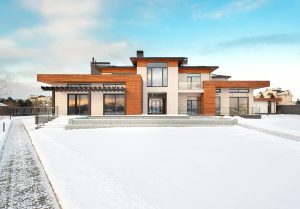
One of the criticisms of modular construction has been its generic designs. However, with advancements in technology, there has been an increase in customization options for modular buildings. There are now endless design possibilities, from modern apartments to traditional single-family homes, making it a versatile solution for various housing needs.
Integration of Smart Technology
The rise of smart technology has resulted in a demand for more technologically advanced buildings. Modular construction allows for the integration of these technologies, such as smart home systems and energy-efficient appliances, during the prefabrication process. This not only adds value to the building but also makes it more sustainable and cost-effective in the long run.
Conclusion
The future of modular construction in affordable housing solutions looks promising. Its cost-effectiveness, efficiency, and potential for customization and innovation make it a viable solution for addressing the housing crisis. As technology continues to advance, we can expect to see further improvements in modular construction, making it an even more attractive option for both developers and homeowners. With the affordable housing crisis becoming more urgent, the role of modular construction is set to become increasingly significant in the future.