Adapting Special Education Curriculums For Remote Learning Environments
In the midst of the COVID-19 pandemic, schools all over the world were forced to close their doors and transition to remote learning. While this posed challenges for all students, it had an even greater impact on students with special needs. Many students with disabilities rely on personalized learning and support, making the abrupt shift to remote learning a difficult adjustment. However, as the pandemic continues to evolve and remote learning becomes an essential part of education, special education curriculums must adapt to meet the needs of students in this new learning environment.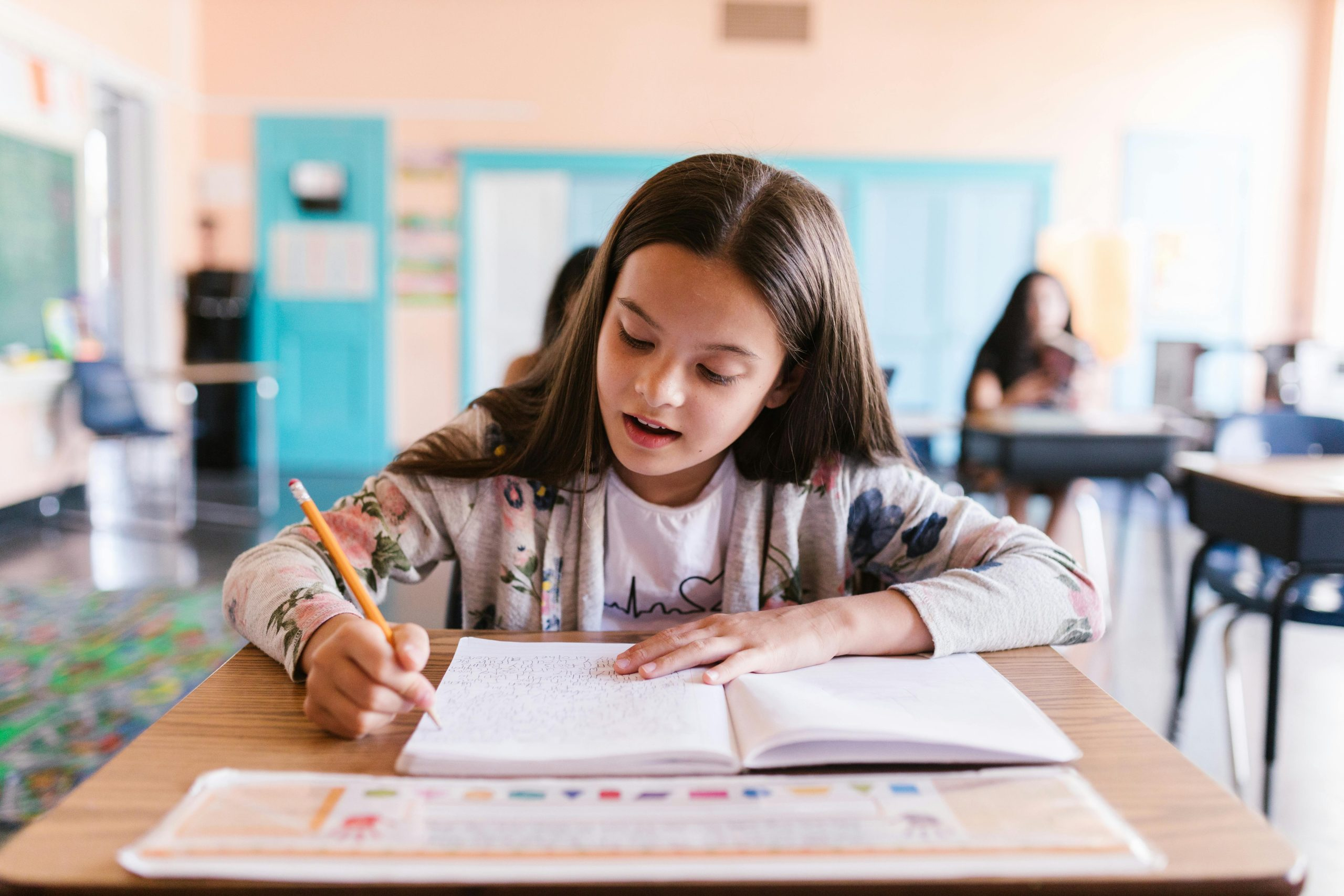
Understanding Special Education Curriculums
Special education curriculums refer to specialized instructional programs designed to meet the unique needs of students with disabilities. These curriculums aim to provide a tailored education that addresses the diverse learning needs of students with disabilities and challenges them to reach their full potential.
Some common elements of special education curriculums include individualized education plans (IEPs), accommodations and modifications, assistive technology, and specialized teaching strategies. By addressing the specific needs of students with disabilities, these curriculums promote inclusive and accessible education for all.
The Impact of Remote Learning on Special Education
The transition to remote learning posed a number of challenges for students with special needs and their families. Many students with disabilities require one-on-one support and accommodations in a classroom setting, making it difficult for them to adapt to the virtual learning environment. In addition, the lack of in-person interaction and structure can be overwhelming for students with conditions such as autism or attention deficit hyperactivity disorder (ADHD).
The sudden shift to remote learning also left many parents and caregivers struggling to provide the necessary support and resources for their children with special needs. This has highlighted the importance of collaboration between parents and educators in developing effective remote learning plans for students with disabilities.
Adapting Special Education Curriculums for Remote Learning
In order to ensure that students with disabilities continue to receive quality education in a remote learning environment, special education curriculums must adapt and evolve. Here are some ways in which special education curriculums can be adapted for remote learning:
1. Individualized Education Plans (IEPs) for Remote Learning
IEPs are an essential part of special education curriculums, outlining the specific goals, accommodations, and modifications needed for each student. With the shift to remote learning, IEPs must also be adapted to address the unique challenges and opportunities of virtual learning. This may include modifying goals, accommodations, and services to fit the online learning environment.
2. Utilizing Assistive Technology
Assistive technology can be a game-changer for students with disabilities in a remote learning environment. With the right technology, students can access learning materials, communicate with teachers, and participate in virtual classrooms more effectively. Educators can work with families to determine the best assistive technology devices and programs for each student’s individual needs.
3. Providing Support for Parents and Caregivers
Remote learning has placed a significant burden on parents and caregivers, who may not have the training or resources to support their children with special needs. It is crucial for educators to collaborate with parents and caregivers to provide support and resources for remote learning, such as training sessions on educational technology and assistance in understanding and implementing IEPs at home.
4. Focusing on Social and Emotional Learning
The lack of in-person interaction and structure can be challenging for students with disabilities, who may struggle with social and emotional skills. Special education curriculums must put a greater emphasis on social and emotional learning in a remote learning environment. This can include virtual check-ins with students, providing opportunities for peer interactions, and promoting self-regulation strategies.
The Future of Special Education Curriculums
The pandemic has forced a rapid and unprecedented shift to remote learning, revealing the gaps and challenges in special education curriculums. Going forward, educators and policymakers must continue to adapt and improve special education curriculums for remote learning, ensuring that students with disabilities receive the support and resources they need to succeed in a virtual classroom. By prioritizing inclusive and accessible education for all students, we can build a more inclusive and equitable future for all.
As we navigate through this challenging time, it is crucial to remember that students with disabilities are not defined by their conditions. With the right support and resources, they have the ability to learn and thrive in any environment, including a remote learning one. By adapting special education curriculums for remote learning, we can ensure that these students continue to receive the education they deserve and reach their full potential, even in the face of unprecedented challenges.