
Psychology Behind Consumer Decisions During Seasonal Clearance Sales Events
As the holiday season comes to an end and the new year begins, many retail stores offer enticing discounts and deals to lure in consumers. These seasonal clearance sales events have become a staple in our consumer culture, often drawing in large crowds of eager shoppers looking to snag a good bargain. But have you ever stopped to think about the psychology behind these types of sales events? What drives us to make those purchases during this specific time of the year? In this article, we’ll delve into the psychology behind consumer decisions during seasonal clearance sales events and uncover the reasons behind our impulsive buying behaviors.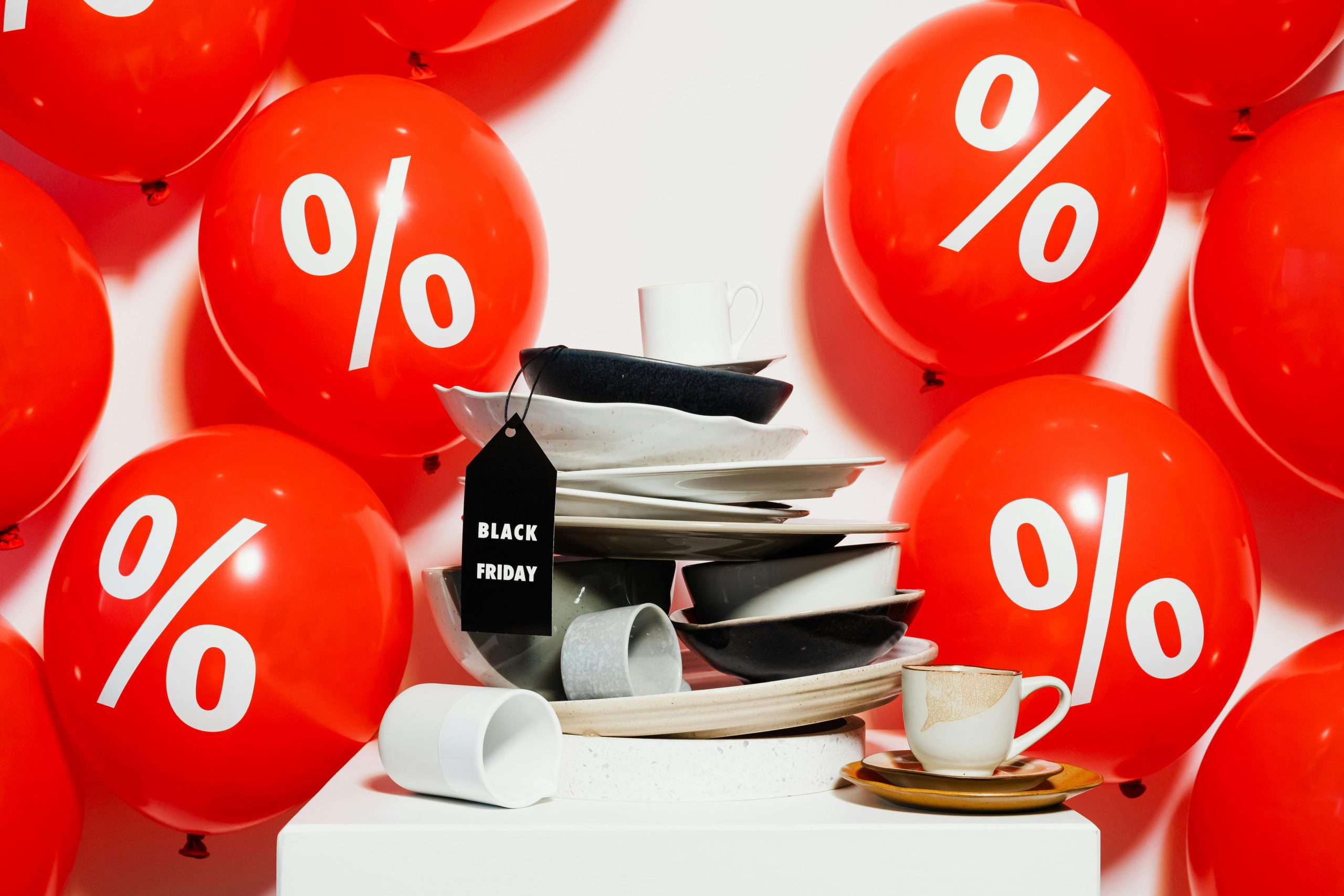
What are Seasonal Clearance Sales Events?
Seasonal clearance sales events are special retail promotions that typically take place at the end of a specific season or holiday period. These sales events aim to clear out excess inventory and make room for new products, often offering deep discounts and clearance prices to attract customers. Examples of seasonal clearance sales events include Black Friday, Boxing Day, and end-of-season clearance sales.
The Fear of Missing Out (FOMO)
One of the main reasons why seasonal clearance sales events are so effective is because of the fear of missing out. When we hear that there is a limited-time offer or a once-in-a-lifetime deal, we feel a sense of urgency to take advantage of it before it’s gone. Retailers often use phrases like “limited stock”, “hurry while supplies last”, or “don’t miss out” to create a sense of scarcity and drive customers to make impulsive purchases. The fear of missing out on a good deal can be a powerful motivator for consumers.
The Buzz of Bargain Hunting
Similar to the thrill of a treasure hunt, searching for bargains during seasonal clearance sales events can give consumers a sense of excitement and accomplishment. In a study conducted by the Journal of Retailing, researchers found that the perception of getting a good deal can be just as satisfying as actually getting one. This feeling is also boosted by the limited-time nature of these sales events, as it adds an element of competitiveness among consumers to score the best deals before they run out.
Emotional Triggers and Marketing Tactics
Retailers often use specific marketing tactics and emotional triggers to entice consumers during these sales events. For instance, one common tactic is to offer a “buy one, get one” deal, where consumers feel like they are getting more for their money. Another tactic is to offer steep discounts on popular and high-priced items, creating a feeling of value for the customer. Additionally, using emotional appeals such as nostalgia or the promise of a better future can further influence buying decisions during these sales events.
The Power of Social Influence
Social influence plays a significant role in consumer behavior during seasonal clearance sales events. When we see others making purchases or talking about the great deals they got, we feel compelled to do the same. Social media platforms have also amplified this effect, with retailers using social media influencers to promote their sales events and create a sense of buzz and urgency among their followers. Seeing others participate in these sales events can make consumers feel like they are missing out if they don’t join in.
The Rationalization of Bargain Buying
After the excitement and the rush of the seasonal clearance sales events are over, many consumers may find themselves questioning their purchases. This is where the concept of rationalization comes into play. We tend to rationalize our buying decisions by convincing ourselves that we got a good deal or that we needed the item, even if we didn’t. This rationalization can also be fueled by societal pressures to conform and buy during these sales events, regardless of our actual needs or wants.
Conclusion
Seasonal clearance sales events can be a combination of factors, including the fear of missing out, bargain hunting, marketing tactics, social influence, and rationalization, that drive consumer behavior. Understanding the psychology behind these events can help us become more mindful and intentional with our buying decisions. While these sales may seem like a great opportunity to save money, it’s important to consider if the purchase aligns with our needs and values, rather than giving in to impulsive buying behaviors. Ultimately, the psychological factors behind consumer decisions during seasonal clearance sales events remind us of the power of marketing and how we can be influenced by our surroundings.