
How Virtual Reality Is Transforming Property Viewing Immersive Experiences
Virtual reality has become one of the most talked-about technologies in recent years. With its ability to immerse users in a virtual world, it has transformed various industries, including gaming, education, and even healthcare. But one area that has seen a significant impact from virtual reality is the real estate industry. In this modern age, purchasing a property has never been as exciting and efficient as it is now, thanks to virtual reality. In this article, we will explore how virtual reality is revolutionizing the way we view and experience properties.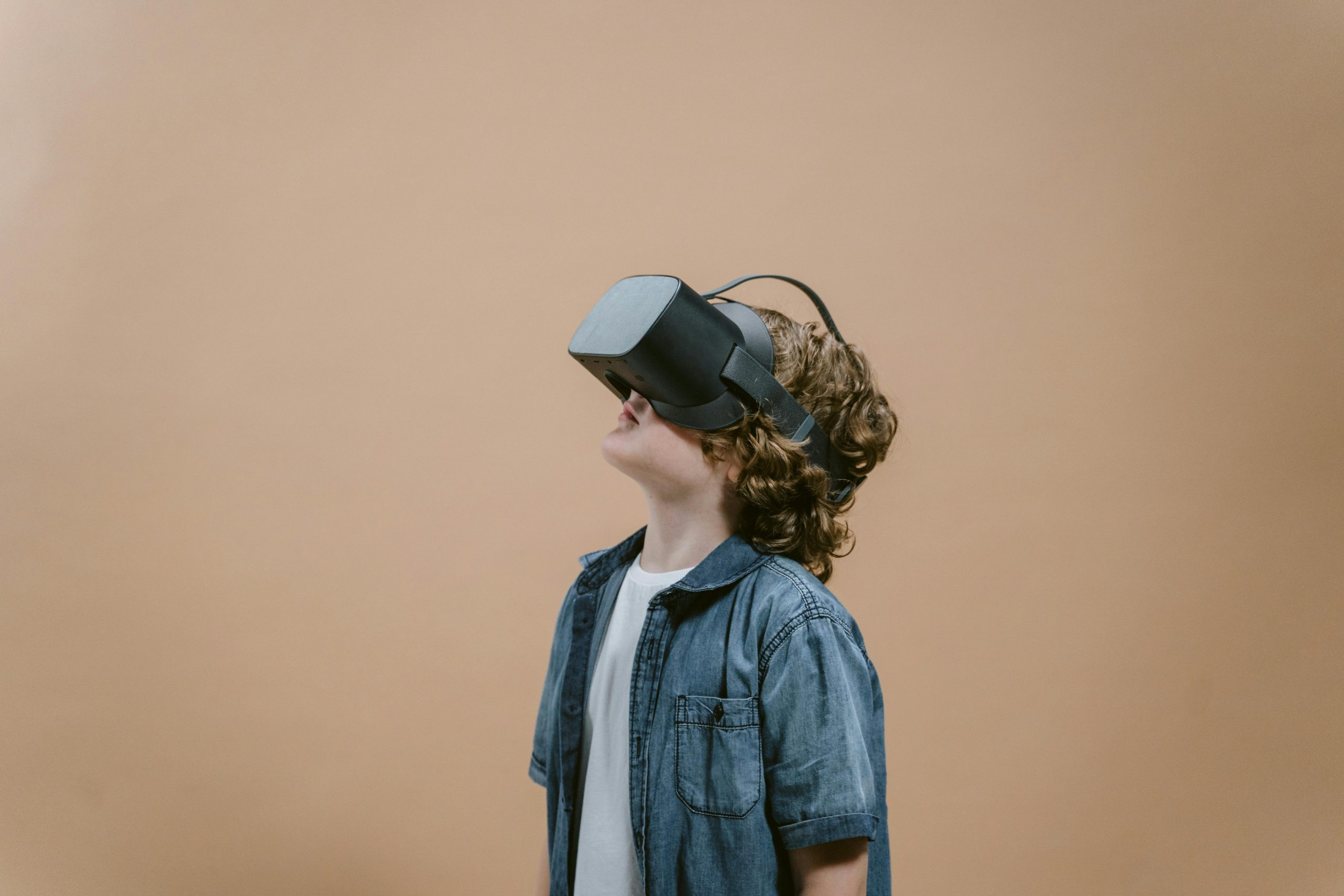
The Traditional Property Viewing Experience
Before we delve into how virtual reality is changing the game, let’s first understand what the traditional property viewing experience is like. Traditionally, property buyers would contact a real estate agent and schedule a viewing of various properties that match their criteria. The agent would then take them physically to each property, and the buyer would have to rely on their imagination to envision the potential of the space. This process can be time-consuming, expensive, and sometimes exhausting.
The Rise of Virtual Reality in Property Viewing
Enter virtual reality. With the advancements in technology, buyers can now put on a VR headset and be transported to a virtual version of the property they are interested in. They can walk through the property, explore every corner, and get a feel for the space without leaving their chair. Virtual reality allows buyers to experience properties in a more immersive and interactive way, creating a whole new level of engagement.
The Benefits of Virtual Reality Property Viewing
One of the most significant advantages of using virtual reality in property viewing is the convenience it offers. Buyers no longer have to visit multiple properties physically, saving them time and money. They can view multiple properties from the comfort of their own homes, which is especially beneficial for buyers who are not local to the area they are looking to buy in.
In addition, virtual reality allows buyers to visualize their future home better. Instead of relying on pictures or 2D floor plans, virtual reality provides a three-dimensional experience, giving buyers a more realistic sense of scale, depth, and space. This greatly aids in the decision-making process, as buyers can make more informed choices based on their experience.
The Impact on Real Estate Marketing
Virtual reality also has a significant impact on how properties are marketed. With the use of virtual reality, real estate agents can showcase properties in a more interactive and engaging way. This not only attracts potential buyers but also sets the property apart from the competition. It also allows agents to reach a wider audience, as virtual reality can be accessed from anywhere in the world.
Moreover, virtual reality allows developers to showcase properties that are still under construction. Buyers can walk through the virtual property and get a feel for the space even before it is completed. This means that sales and marketing efforts can begin earlier, resulting in faster and more efficient sales.
The Future of Property Viewing
As technology continues to advance, virtual reality is only going to become more prominent in the property viewing process. With the development of augmented reality, buyers will soon be able to view virtual furniture and decor in a property, giving them a more realistic idea of what the space can look like. This level of customization will greatly enhance the property viewing experience and increase buyer satisfaction.
Additionally, with the rise of virtual assistants, buyers can soon have a personalized and interactive experience when viewing properties. With a virtual assistant, buyers can ask questions, view specific features of a property, and even customize the virtual property to their liking.
Conclusion
In conclusion, virtual reality has transformed the property viewing experience. It has brought convenience, immersion, and interactivity to the process, making it easier for buyers to make informed decisions. It has also revolutionized the way properties are marketed, making them more engaging and accessible to a wider audience. With the continuous advancements in technology, the future of property viewing is undoubtedly virtual reality.