The Role Of Music In Cultural Diplomacy And Peace
Music is an ever-evolving art form that has transcended borders and cultures for centuries. With its unique ability to bring people together and transcend language barriers, music has become an important tool in cultural diplomacy and peace building. In this article, we will explore the powerful role that music plays in promoting cultural understanding, fostering peaceful dialogue and creating a harmonious world.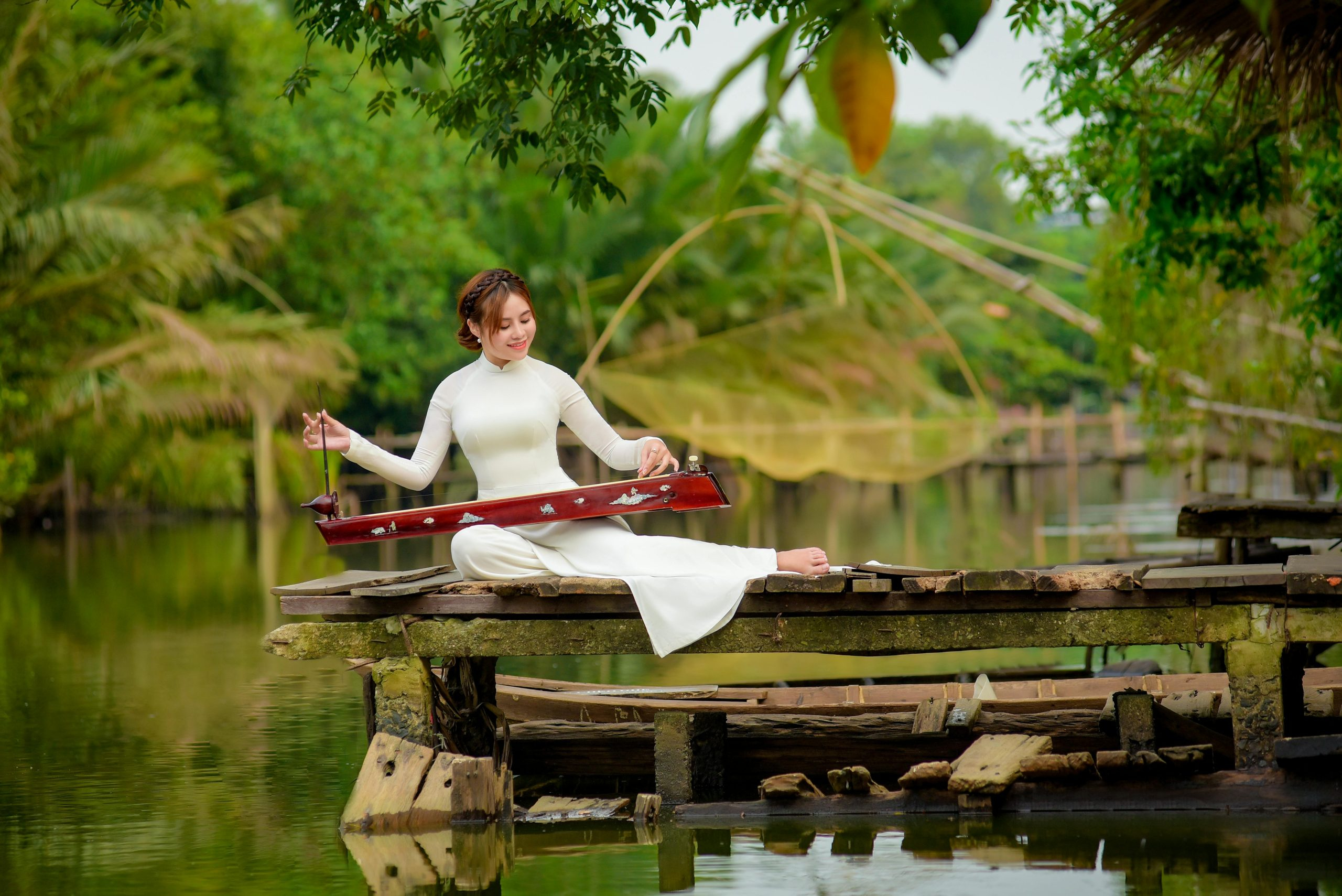
The Global Language of Music
One of the most fascinating aspects of music is its ability to transcend language barriers. It is a universal language that speaks to the heart and soul of individuals, regardless of their cultural or linguistic background. This makes it a powerful tool for cultural diplomacy and peace building, as it can bridge the gap between different societies and promote cross-cultural understanding.
Cultural Diplomacy: Uniting Nations Through Music
Since ancient times, music has been used as a means of communication and expression between different cultures. In the modern era, music has become an integral part of cultural diplomacy, which is defined as the exchange of ideas and values through cultural activities. Through music, countries can showcase their unique cultural identities and build connections with other nations.
The power of music in cultural diplomacy lies in its ability to promote dialogue and understanding. When different cultures come together to share and appreciate each other’s music, it can break down barriers and foster a sense of global community. This has been particularly evident in events like the Eurovision Song Contest, where countries from all over the world come together to celebrate each other’s music and culture.
The Role of Music in Peace Building
Music has also played a significant role in promoting peaceful dialogue and conflict resolution. In regions where there is political tension or social unrest, music has been used as a tool to bring communities together and promote reconciliation.
One notable example of this is the Sarajevo Philharmonic Orchestra, which was formed during the Bosnian War in the 1990s. The orchestra, consisting of musicians from different ethnic and religious backgrounds, performed concerts to promote peace and unity in a war-torn country. Similarly, the Playing for Change Foundation uses music education to bridge cultural and social divides in regions of conflict, fostering a sense of unity and understanding among young people.
The Impact of Music on Society
Besides its role in cultural diplomacy and peace building, music has a profound impact on society as a whole. It has the power to bring people together, promote social cohesion and challenge societal norms. Through music, important messages and ideas can be conveyed in a non-threatening and engaging manner, making it a potent tool for social change.
Music & Social Movements
Throughout history, music has been closely linked to social and political movements. From the Civil Rights Movement in the US, to the Anti-Apartheid Movement in South Africa, music has been used to amplify the voices and struggles of marginalized groups. It has provided a platform for artists to express their views and unite people in the fight against injustice and inequality.
The Healing Power of Music
Music has also been found to have therapeutic and healing effects on individuals and communities. It can serve as an outlet for expressing emotions, reducing stress and promoting a sense of well-being. In conflict-affected areas, music therapy has been used to help individuals cope with trauma and promote healing and reconciliation.
Conclusion
In a world where cultural differences and conflicts often divide us, music has the unique ability to bring us together. It serves as a powerful tool for cultural diplomacy, peace building and social change. As we continue to face global challenges and strive for a more harmonious world, let us not underestimate the role that music plays in promoting cultural understanding and fostering peace.
Whether it’s through a lively concert or a simple sing-along, let us all embrace the universal language of music and use it to spread harmony and unity across borders and cultures.