The Art Of Food Plating For Professional Looking Home Meals
Have you ever looked at pictures of beautifully plated meals and wondered how chefs achieve such professional and artistic presentations? The art of food plating may seem intimidating, but with some basic knowledge and techniques, you too can elevate your home-cooked meals to restaurant quality. Whether you’re feeding your family, entertaining guests, or simply looking to improve your plating skills, this article will guide you through the principles and best practices of food plating for professional looking home meals.
The Importance of Food Plating
Plating is not just a fancy term for serving food on a plate. It is a crucial step in the cooking process that can significantly enhance the overall dining experience. A well-plated dish not only looks visually appealing but also stimulates the senses of smell and taste. By carefully arranging the components of a meal, you can create a balance of flavors, textures, and colors, making the dish more enjoyable and appetizing.
The Fundamentals of Food Plating
1. Choose the Right Plate
The first step to creating a well-plated meal is choosing the right plate. The type, size, and color of the plate can affect the presentation of the food. As a general rule, opt for a plain, neutral-colored plate, such as white or black, to let the food shine. Avoid using patterned or brightly colored plates that can distract from the dish itself.
2. Consider the Size and Shape of the Food
The size and shape of the food should complement the plate. Balance is key – not too much empty space, but also not overcrowding the plate. Consider the shape of the dish – for example, a round or rectangular plate may be more suitable for certain types of food. When plating multiple items, aim for a cohesive and symmetrical arrangement.
3. Use Contrasting Colors
Colors play a crucial role in plating. A visually appealing dish often features a variety of vibrant and contrasting colors. Consider using the color wheel as a guide – complementary colors enhance each other, while analogous colors create a harmonious and cohesive palette. Also, keep in mind the color of the plate and avoid clashing with the food.
Techniques for Food Plating
1. Stack or Layer
Stacking or layering food is a simple yet effective technique for creating height and depth on a plate. This works well with items such as pancakes, crepes, and sandwiches. Start with the largest item at the bottom and gradually build up, using smaller and more delicate components as you go.
2. Use Sauces and Purees
Sauces and purees not only add flavor but also act as a visual element on a plate. Whether drizzled, dotted, or swirled, they can add an artistic touch to your plating. Consider using different textures and thicknesses to create contrast and interest.
3. Garnish Strategically
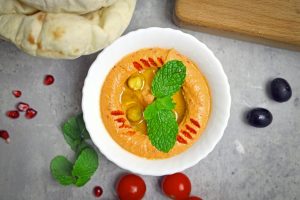
Garnishing is the final touch that can enhance the overall appearance of a dish. Fresh herbs, microgreens, edible flowers, and citrus zest are all popular options. Keep in mind that the garnish should complement the dish and be edible. Avoid using large or overpowering garnishes that can overwhelm the food.
Out-of-the-Box Plating Ideas
Once you have mastered the basics of food plating, you can take your skills to the next level with some creative and unconventional ideas.
1. Play with Shapes
Break the traditional circular-shaped plate and experiment with different shapes like squares, rectangles, triangles, and even asymmetrical plates. This will bring a unique and unexpected element to your plating.
2. Make It Interactive
Inspired by the communal dining concept in restaurants, consider serving a DIY platter with various components for your guests to assemble themselves. This will not only make for a fun and interactive dining experience but also allow for customization and individualized plating.
3. Use Natural Elements
Incorporating natural elements such as wood, stone, or even slate can create a rustic and earthy look to your plating. You can use them as serving platters or as part of the presentation of the dish.
Conclusion
The art of food plating is a blend of creativity, technique, and attention to detail. By following the fundamentals and experimenting with different techniques and ideas, you can elevate your home-cooked meals to a whole new level. Remember, a beautifully plated dish not only looks impressive but can also enhance the overall dining experience. So go ahead and unleash your inner artist in the kitchen!