
Exploring The Potential Of Converting Commercial Spaces To Residential
The world of real estate is constantly evolving, and with the ever-increasing demand for housing, developers and investors are constantly searching for new opportunities to convert commercial spaces into residential units. This trend has gained significant popularity in recent years, with more and more people looking for affordable and unique housing options. The idea of converting factories, warehouses, and office buildings into inviting homes may seem far-fetched, but the potential is immense. In this article, we will delve into the various aspects of converting commercial spaces to residential and explore the potential it holds.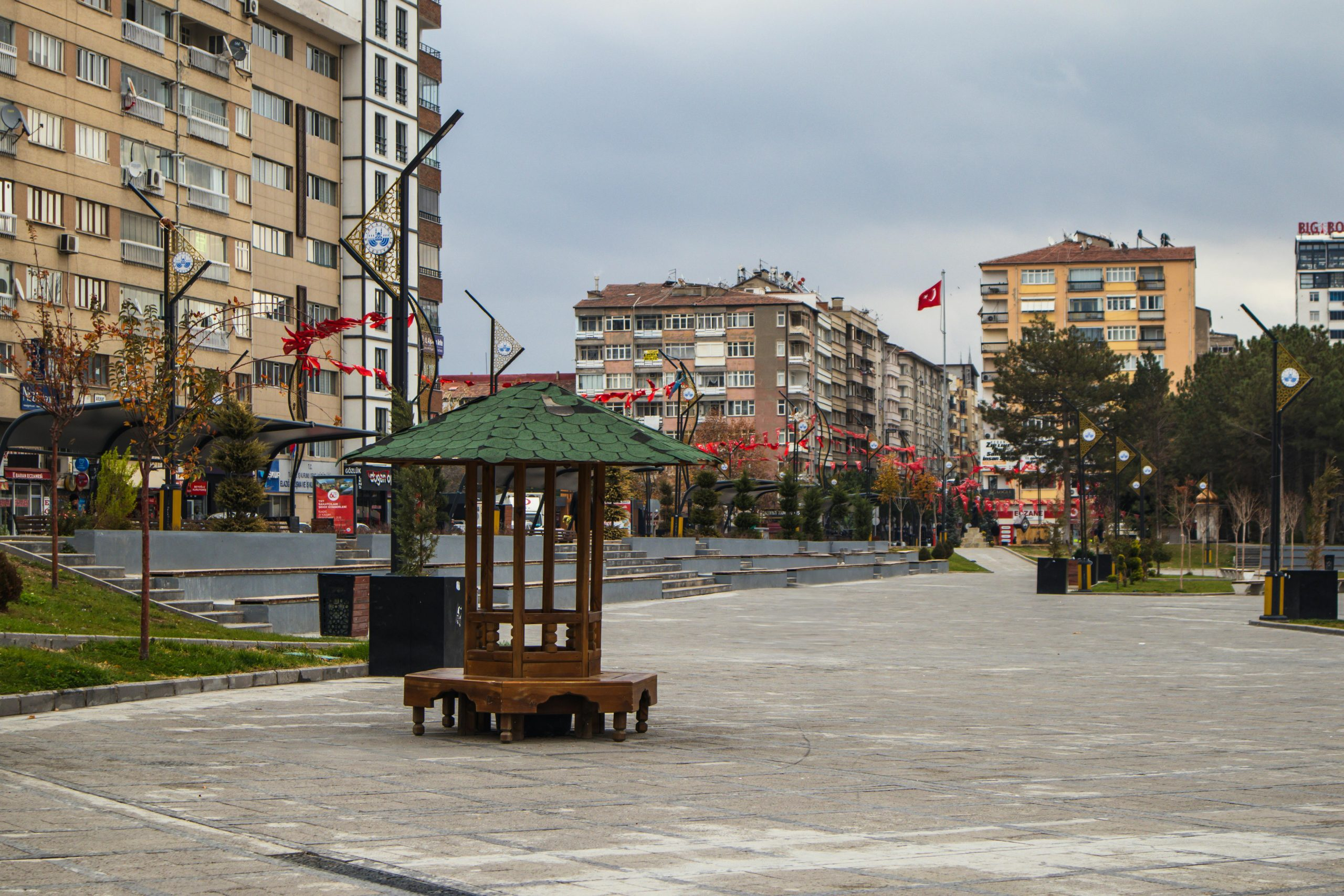
The Changing Landscape of Real Estate
With rapid urbanization and a growing population, the demand for housing has skyrocketed. This has led to a shortage of housing options and skyrocketing property prices, making it increasingly difficult for people to own a home. The traditional housing options, such as single-family homes or apartments, are no longer feasible for everyone. As a result, there has been a growing interest in alternative housing options, one of them being the conversion of commercial spaces to residential units.
Why Convert Commercial Spaces to Residential?
The idea of converting commercial spaces to residential is not a new one, but it has gained momentum in recent years. Investors and developers have realized the potential of this trend and are actively pursuing it for various reasons.
1. Affordable Housing
Converting commercial spaces to residential units provides an opportunity for developers to create affordable housing options. Commercial buildings are often situated in prime locations and have unique architectural features that make them attractive for residential use. By converting them, developers can offer affordable housing in desirable areas, making it an attractive option for potential buyers.
2. Unique Living Spaces
Commercial buildings have a distinctive charm and character that cannot be replicated in traditional residential units. The conversion of these spaces allows for the preservation of these unique architectural features, creating one-of-a-kind living spaces that are bound to attract buyers looking for something different.
3. Sustainability
In light of the increasing concerns about climate change and the need for sustainable development, converting commercial spaces to residential offers a solution on multiple fronts. These buildings can be renovated using eco-friendly materials and techniques, reducing their carbon footprint and creating environmentally sustainable living spaces.
The Conversion Process
Converting a commercial space to a residential unit is not a simple task and requires thorough planning and execution. The process typically involves several steps, including obtaining the necessary permits, structural modifications, and interior design changes.
1. Obtaining Permits
The first step in the conversion process is obtaining the necessary permits from the local authorities. These permits may vary depending on the location and the building’s intended use. It is crucial to consult with the local authorities and ensure that all regulations and codes are followed to avoid any legal complications in the future.
2. Structural Modifications
Converting a commercial space to a residential unit often involves significant structural changes. This may include creating new entrances, adding windows, or altering the interior layout to create functional living spaces. It is essential to hire a team of experienced architects and engineers to ensure that these modifications are carried out safely and effectively.
3. Interior Design
Once the structural changes have been completed, the interior design process can begin. This involves transforming the commercial space into a livable and comfortable residential unit. The interior design should be carefully planned to optimize the use of space and incorporate unique features of the building, such as exposed brick walls or high ceilings.
The Bottom Line
Converting commercial spaces to residential units is a growing trend in the real estate industry that offers numerous benefits for developers, investors, and homebuyers alike. It provides an opportunity to create affordable housing, preserves unique architectural features, and promotes sustainability. However, it is crucial to undertake proper planning and execution to ensure the success of such projects. With the right approach, converting commercial spaces to residential units can unlock endless opportunities and contribute to the ever-changing landscape of real estate.