
Exploring The Cultural Heritage Of Traditional Japanese Indigo Dyeing
Japan is known for its rich cultural heritage, with a plethora of traditions and practices that have been passed down through generations. Among these, one tradition that stands out is the art of traditional Japanese indigo dyeing. This ancient practice has not only survived the test of time, but it also continues to thrive as an essential part of Japanese culture. In this article, we will delve into the fascinating world of Japanese indigo dyeing, exploring its history, significance, and techniques. So, let’s take a deep dive into the cultural heritage of traditional Japanese indigo dyeing.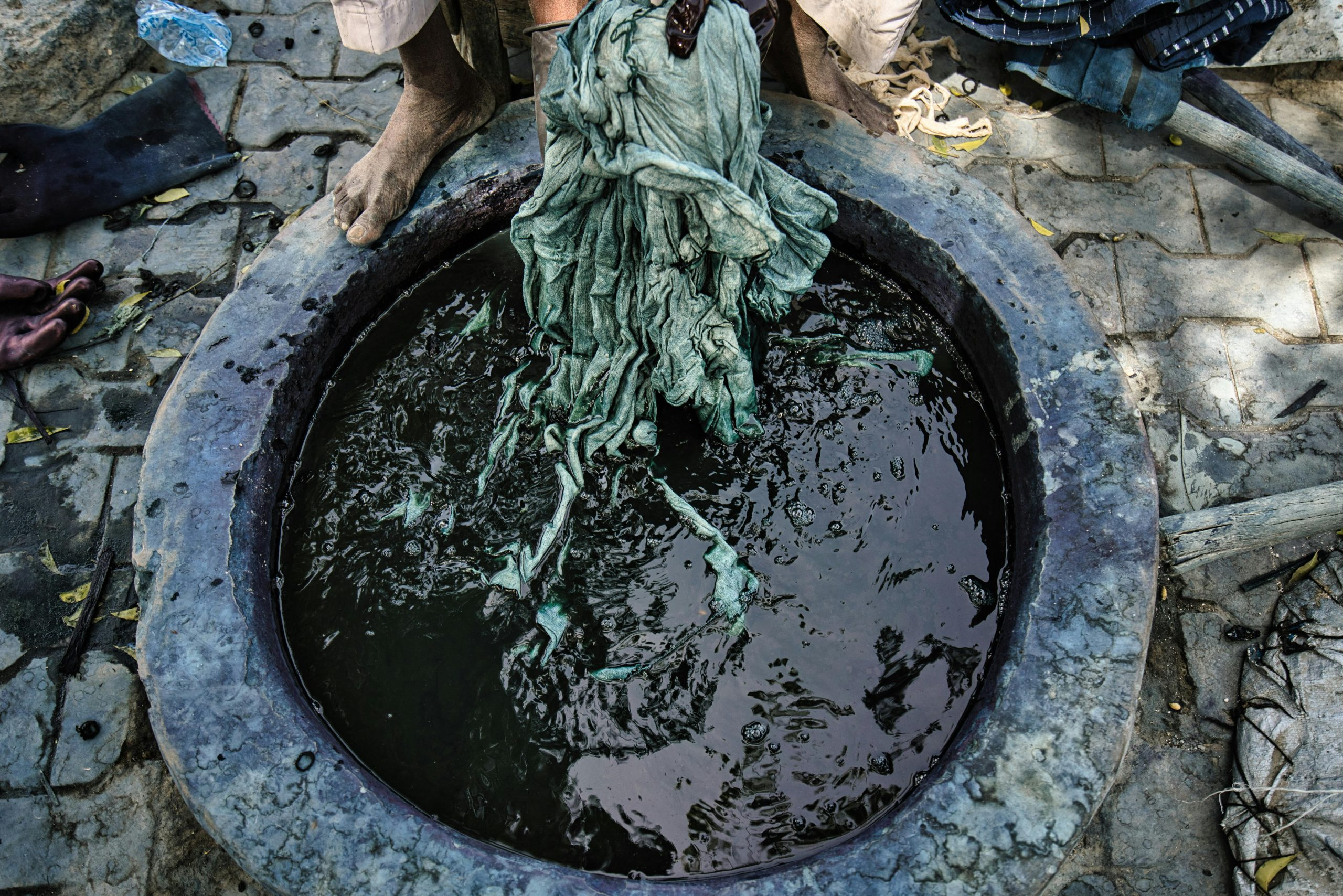
The Origins of Japanese Indigo Dyeing
The history of traditional Japanese indigo dyeing can be traced back to the 6th century, during the Asuka period. It is believed that indigo dyeing was introduced to Japan from China via the Korean peninsula. However, it wasn’t until the 8th century, during the Nara period, that indigo dyeing became widely popular in Japan.
Importance and Significance of Indigo Dyeing in Japanese Culture
Indigo dyeing holds immense importance in Japanese culture, as it is deeply rooted in the concept of wabi-sabi – the appreciation of imperfection and impermanence. The unique and unpredictable nature of indigo dyeing aligns perfectly with this concept, making it an essential element in traditional Japanese aesthetics.
Moreover, indigo dyeing played a crucial role in Japanese fashion, as people used indigo-dyed fabric for clothing and accessories. The deep blue color of indigo, known as “ai” in Japanese, was believed to ward off evil spirits and bring good luck, making it a popular choice for clothing, especially among the samurai class.
The Techniques of Traditional Japanese Indigo Dyeing
One of the distinguishing features of traditional Japanese indigo dyeing is the use of natural indigo dye (ai-zome), extracted from the leaves of the indigo plant. The process of dyeing involves fermenting the leaves in a traditional wooden vat, resulting in a deep blue color that is unique to natural indigo dye. This technique has been passed down through generations, with each artisan adding their own touch and refinement to the process.
Shibori – The Art of Indigo Dyeing
Shibori is a traditional Japanese tie-dyeing technique used to create intricate patterns on fabric. The fabric is folded, twisted, or tied in different ways before being dipped in the indigo dye. The result is a beautiful and unique pattern that is a testament to the skill and creativity of the artist. Shibori has been an integral part of Japanese indigo dyeing for centuries and is still practiced by many artisans today.
Another well-known technique of indigo dyeing is Katazome, which is a resist-dyeing method. A layer of rice paste is applied to the fabric, creating a stencil for the dye to be applied. The fabric is then dipped in indigo, and the paste is washed off, revealing the intricate white patterns on the deep blue fabric. This technique requires precision and skill, making it a highly-prized form of indigo dyeing.
Preserving the Art of Japanese Indigo Dyeing
Despite the rise of modern synthetic dyes, traditional Japanese indigo dyeing continues to thrive, thanks to the efforts of passionate artisans who are determined to keep this ancient art alive. Organizations such as the Japan Society for Indigo Dyeing are working towards preserving and promoting the art of traditional Japanese indigo dyeing.
Additionally, Japanese indigo dyeing has gained recognition on the global stage, with many designers and fashion houses incorporating this unique technique into their creations. This has not only helped to preserve the art, but it has also brought international recognition to this integral part of Japanese culture.
In Conclusion
Japanese indigo dyeing is more than just a traditional craft; it is an essential part of Japanese culture that has stood the test of time. The art of traditional Japanese indigo dyeing not only produces beautiful pieces of fabric but also reflects the core values and aesthetics of Japanese society. With the efforts of dedicated artisans and the growing interest in traditional crafts, we can hope to see Japanese indigo dyeing continue to thrive and inspire future generations.