
Developing Bold Flavors Using Traditional Smoked And Cured Methods
When it comes to food, bold flavors are always in demand. People are always looking for new and exciting tastes to tantalize their taste buds. One way to achieve bold flavors is by using traditional smoked and cured methods. These methods have been used for centuries, providing a depth of flavor that cannot be replicated by modern cooking techniques. In this article, we will explore the world of traditional smoking and curing and how it can be used to develop bold and unforgettable flavors.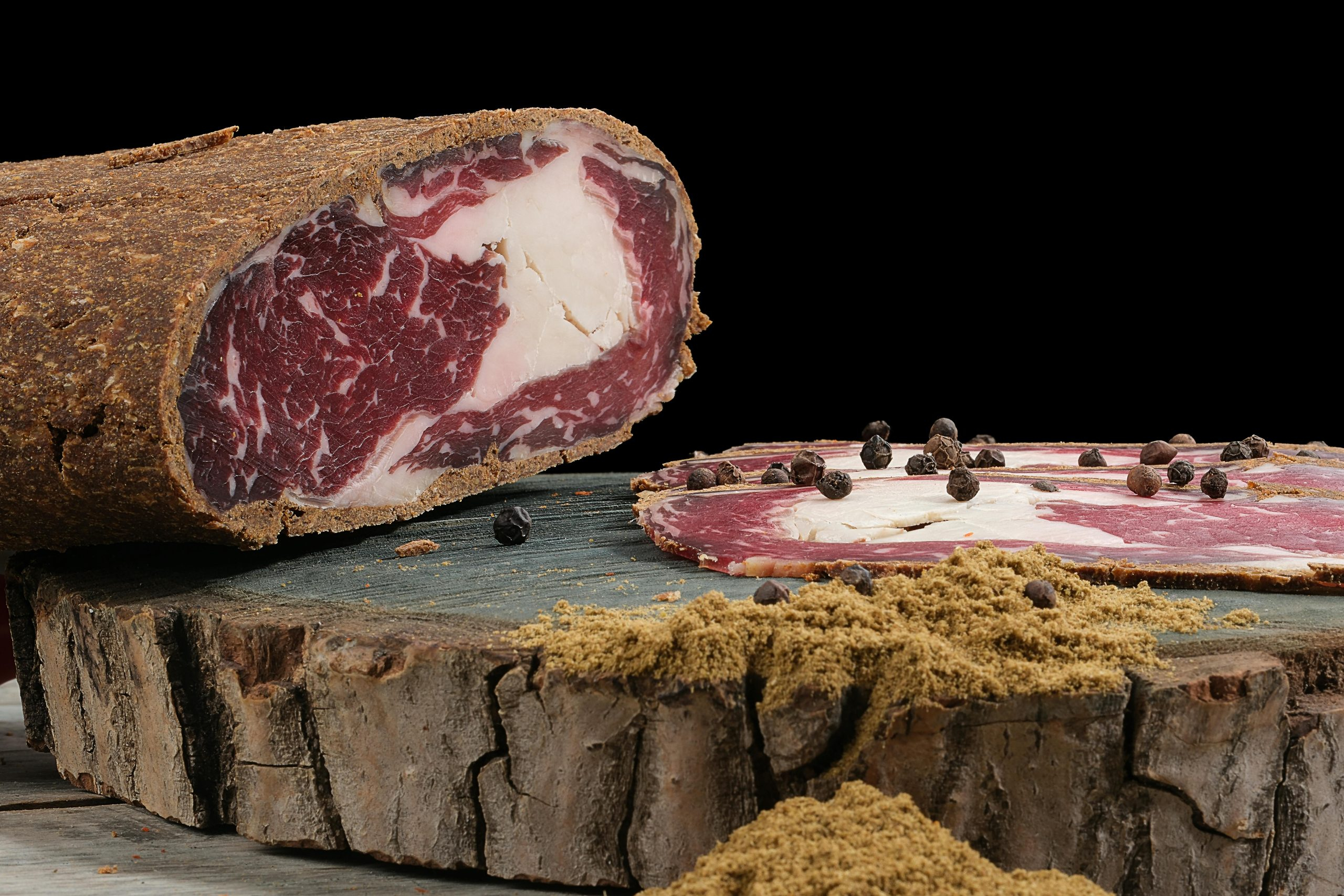
Understanding Traditional Smoking and Curing
Smoking and curing are two techniques used to preserve food before the invention of modern refrigeration. Smoking involves exposing food to smoke from burning wood, while curing involves using salt and other ingredients to preserve food. These methods were originally used to prevent food from spoiling, but over time, they have also been recognized for their ability to enhance flavor.
The Role of Smoke in Developing Flavor
Smoke is not just another ingredient used in cooking; it is a process that imparts flavor into the food. As the smoke rises and surrounds the food, it creates a protective barrier that helps to seal in moisture and flavors. This results in a tender and juicy texture, especially in meats. Additionally, the smoke itself adds a distinctive smoky flavor that is greatly desired by many.
Salt and Other Ingredients in Curing
The curing process also plays a significant role in developing bold flavors. Salt has the ability to draw out moisture from food, which helps to preserve it. But it also has a crucial role in enhancing flavor. When salt is combined with other spices and herbs, it forms a curing mixture that creates complex and bold flavors. The curing process also involves marinating and fermenting, which adds a depth of flavor to the food.
Developing Bold Flavors with Traditional Smoking Methods
Choosing the Right Wood for Smoking
The type of wood used for smoking can greatly impact the flavor of the food. Different types of wood have different levels of smokiness and unique flavors. For example, hickory wood produces a strong and sweet flavor, while applewood has a milder and sweeter taste. Experimenting with different types of wood can help you achieve the perfect balance of smokiness and flavor for your dish.
Combining Smoking with Other Cooking Methods
Smoking can also be combined with other cooking methods to create even bolder flavors. For example, smoking can be used in conjunction with grilling, roasting, or even braising. This combination not only adds a smoky flavor but also adds another layer of complexity to the dish, making it even more delicious.
Developing Bold Flavors with Traditional Curing Methods
Using Different Types of Salt
Just like different types of wood, different types of salt can also greatly impact the flavor of the food. For example, sea salt has a clean and briny flavor, while kosher salt has a milder taste. Himalayan pink salt adds a subtle hint of sweetness to cured foods. Experimenting with different types of salt can help you achieve unique and bold flavors in your dishes.
Adding Spices and Herbs to Curing Mixtures
The curing process also involves the addition of spices and herbs to create bold and complex flavors. The choice of spices and herbs is endless, and experimentation is key in developing signature flavor combinations. Some popular spices and herbs used in curing mixtures include black pepper, paprika, garlic, and thyme.
In Conclusion
Traditional smoking and curing methods have stood the test of time when it comes to flavor development. These methods not only preserve food but also enhance taste and create bold and unforgettable flavors. By understanding the role of smoke, salt, and other ingredients, and experimenting with different combinations, you can take your dishes to the next level and leave a lasting impression on your taste buds.