
The Evolution Of The Electric Bass In Modern Music
The electric bass guitar has played an essential role in modern music over the past few decades. Often overshadowed by its guitar counterpart, the electric bass has gradually evolved and transformed into a fundamental element of various music genres, ranging from rock and pop to jazz and funk. From its humble beginnings in the 1930s to its current state as a staple instrument in the music industry, the electric bass has undergone significant changes and innovations, contributing to the diverse soundscape of contemporary music. In this article, we will dive into the evolution of the electric bass in modern music, exploring its history, advancements, and impact on the music world.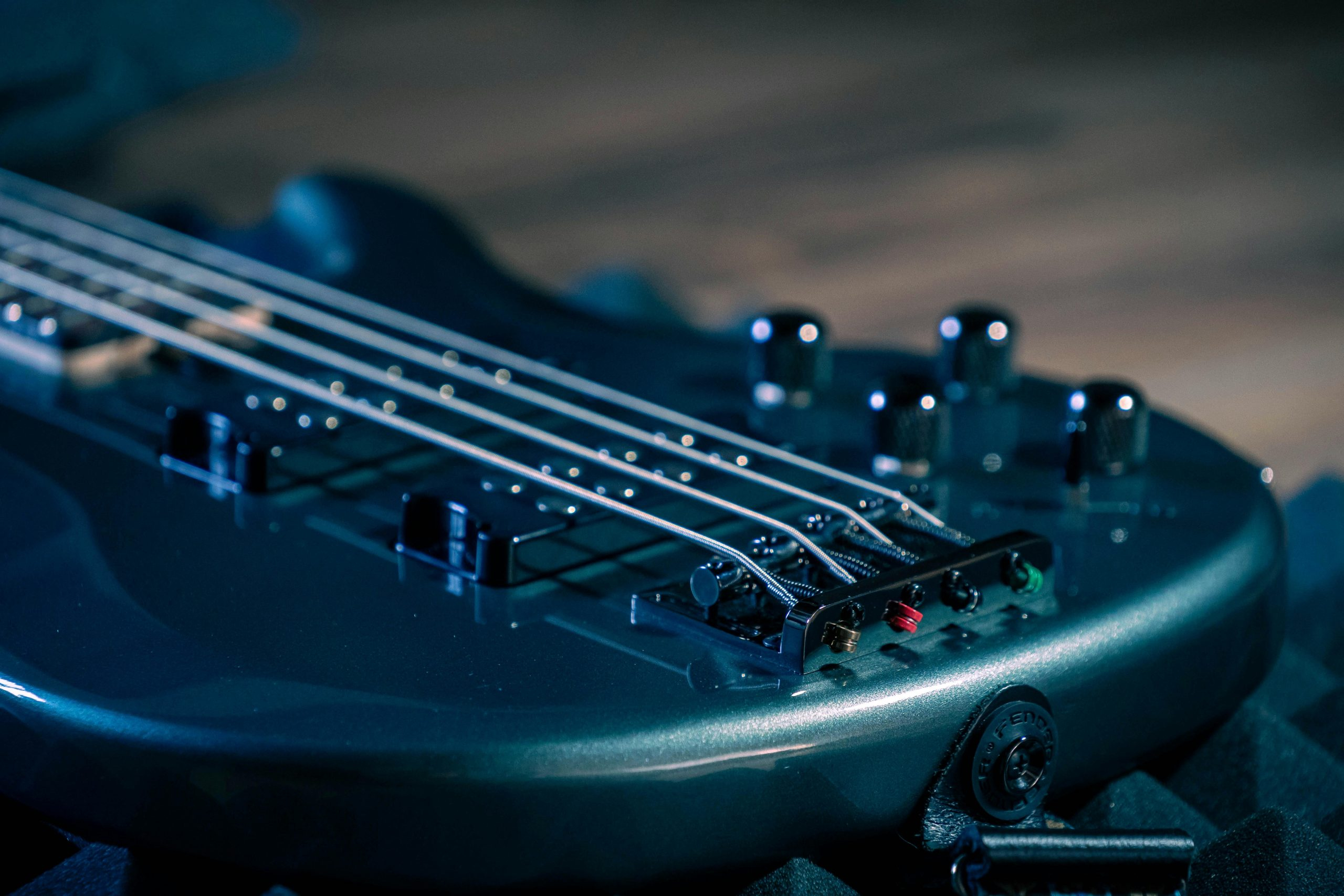
The Beginning of the Electric Bass
The story of the electric bass starts in the 1930s, with the invention of the first electric bass instrument, the Audiovox Model 736 Bass Fiddle. Developed by American musician and inventor Paul Tutmarc, this instrument was designed to serve as a more portable and affordable alternative to the double bass, which was the standard bass instrument at the time. The Audiovox bass featured a solid body and four strings, with a pickup and amplifier to produce sound. While not very successful commercially, it marked the first step towards the development of the electric bass in modern music.
The Fender Precision Bass
Fast forward to the 1950s, Leo Fender, the founder of Fender Musical Instruments Corporation, created what is considered the first commercially successful electric bass guitar, the Precision Bass. The Precision Bass, or P Bass, featured a unique design with a solid body, frets, and four strings, making it easier to play and produce consistent notes. It also had a single magnetic pickup, which allowed it to produce a more amplified and sustained sound, making it suitable for larger venues and live performances. Its popularity quickly grew, paving the way for the electric bass to become a permanent fixture in the music industry.
The Rise of the Electric Bass in Popular Music
The 1960s marked the emergence of rock music, which greatly influenced the use of the electric bass in popular music. British bands such as The Beatles and The Rolling Stones incorporated the electric bass into their music, with memorable basslines that added a melodic quality to their songs. This trend continued in the 1970s with bands like Led Zeppelin and Pink Floyd, who further pushed the boundaries of the electric bass, utilizing different techniques and effects to create unique and complex sounds.
Innovations in Electric Bass Design
As the demand for the electric bass grew, so did the innovations in its design. In the 1970s, brands like Alembic and Spector introduced bass guitars with active pickups, allowing players to control the bass’s tone and output. This development gave bassists more control and flexibility over their sound, making the electric bass an even more versatile instrument.
Another significant innovation in electric bass design came in the 1980s with the introduction of the extended range bass. These basses had more strings, with some even going up to twelve strings, allowing for a broader range of notes and tonal possibilities. This expanded the creative potential for bass players, particularly in genres like progressive rock and jazz fusion.
The Electric Bass in Modern Music
Today, the electric bass continues to evolve and thrive in various music genres. The rise of genres like funk, R&B, and hip hop has brought a renewed appreciation for the instrument, with bassists like Flea of Red Hot Chili Peppers and Mark King of Level 42 pushing the limits of the bass with their unique playing styles. In the world of electronic music, the electric bass has also found a place, with producers and DJs using it to add a more organic and human feel to electronic tracks.
The Future of the Electric Bass
The electric bass has come a long way since its humble beginnings, and its future is promising. With advancements in technology, we are seeing more innovations in electric bass design, such as the development of fretless basses and hybrid instruments that combine both electric and acoustic elements. As music continues to evolve, so will the electric bass, remaining a crucial element in the ever-changing soundscape of modern music.
In conclusion, the electric bass has undergone an extraordinary journey, from its inception in the 1930s to its current state as a staple instrument in modern music. Its evolution and transformation have contributed immensely to the music world, with its unique and versatile sound shaping countless songs and genres. As we look to the future, it’s safe to say that the electric bass will continue to be an integral part of the music landscape, constantly pushing boundaries and redefining what is possible in music.